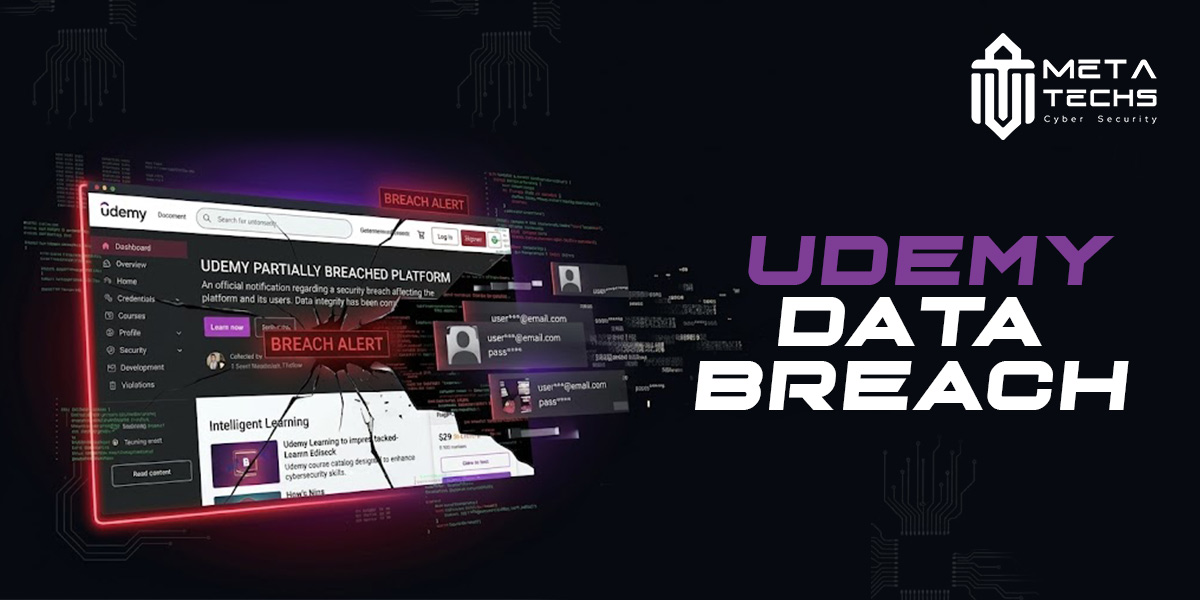
A recent claim of a Udemy data breach has drawn significant attention across the cybersecurity community, raising questions about the security of widely used SaaS platforms and the growing sophistication of modern cyberattacks. As organizations continue to rely heavily on cloud-based tools for daily operations, incidents like this highlight the increasing risks associated with identity-based access and third-party integrations.
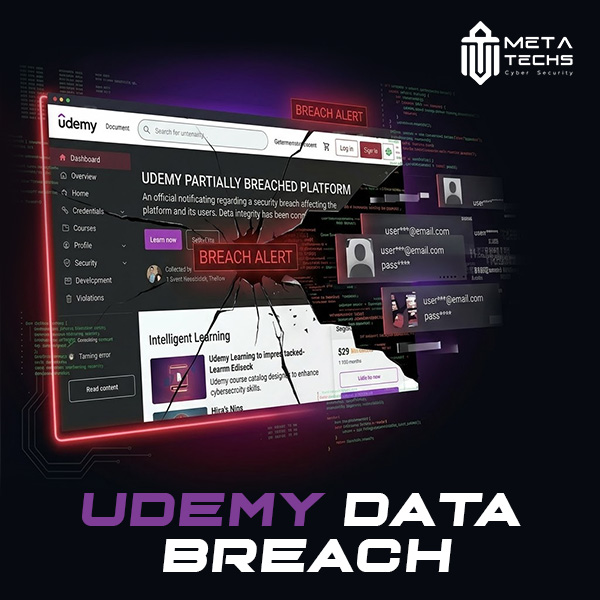
According to emerging reports, the threat actor group ShinyHunters has claimed responsibility for breaching Udemy and stealing more than 1.4 million user records. The group alleges that the compromised data includes personally identifiable information (PII) as well as internal corporate data, which could have serious implications if verified. In addition to the breach claim, the attackers reportedly issued a “pay or leak” ultimatum, threatening to release the data publicly if their demands are not met.
At the time of reporting, Udemy has not officially confirmed the breach. However, the scale of the claim, combined with the established track record of ShinyHunters in conducting large-scale data theft and extortion campaigns, has prompted heightened concern among cybersecurity professionals. The group has previously been linked to multiple high-profile incidents affecting organizations across various industries, which adds credibility to the potential severity of the situation.
Beyond the immediate impact on Udemy, the incident reflects a broader and more concerning trend in cybersecurity. Attackers are increasingly shifting their focus from traditional infrastructure vulnerabilities to identity-based attack vectors. Instead of exploiting software flaws or misconfigured systems directly, threat actors are targeting user credentials, authentication mechanisms, and third-party access points to gain entry into systems.
In many recent cases, initial access has been achieved through techniques such as credential theft using infostealer malware, social engineering attacks including vishing, and the bypassing of multi-factor authentication (MFA). These methods allow attackers to operate within legitimate access boundaries, making detection more difficult and enabling them to move laterally across systems without triggering traditional security alerts.
The Udemy data breach also highlights the growing risks associated with SaaS platforms. As organizations increasingly depend on cloud-based applications for training, collaboration, and operations, these platforms become valuable targets for cybercriminals. Education platforms, in particular, are attractive due to the large volumes of user data they store, often combining personal information with enterprise-related data.
Another critical factor contributing to this risk is the widespread use of third-party integrations. Many SaaS environments rely on external tools, APIs, and vendor access to function efficiently. While these integrations improve productivity and flexibility, they also expand the attack surface. A single compromised third-party account or token can provide attackers with a pathway into a larger ecosystem, bypassing traditional perimeter defenses.
If the breach is confirmed, the potential consequences extend far beyond the initial data exposure. Stolen information could be leveraged for follow-on attacks such as phishing campaigns, credential stuffing, and targeted social engineering. Attackers may use the exposed data to impersonate legitimate users, gain access to other systems, or exploit trust relationships within organizations.
From a business perspective, incidents like the Udemy data breach underscore the importance of re-evaluating SaaS security strategies. Traditional security models that focus primarily on network perimeters are no longer sufficient in an environment where access is distributed across cloud platforms and user identities.
Organizations must adopt a more proactive and identity-focused approach to cybersecurity. This includes enforcing strong authentication measures, such as phishing-resistant multi-factor authentication, to reduce the risk of unauthorized access. Implementing the principle of least privilege is also critical, ensuring that users and applications only have access to the resources necessary for their roles.
Continuous monitoring of user behavior and authentication activity is another essential component. By analyzing patterns and detecting anomalies, organizations can identify potential threats early and respond before they escalate. Additionally, regular audits of third-party integrations and API access can help minimize exposure and prevent unauthorized connections.
Endpoint security also plays a key role in defending against identity-based attacks. Since many breaches begin with compromised devices or stolen credentials, protecting endpoints from malware and unauthorized access is essential for maintaining overall security.
Finally, adopting a zero trust security model can significantly enhance resilience. By continuously verifying users, devices, and access requests, organizations can reduce the likelihood of attackers moving freely within their environment, even if initial access is obtained.
The Udemy data breach serves as a clear reminder that cybersecurity risks are evolving alongside digital transformation. As organizations continue to embrace SaaS platforms and cloud-based solutions, the focus must shift toward securing identities, managing access, and maintaining visibility across the entire digital ecosystem.
At Meta Techs, we help organizations strengthen their cybersecurity posture by addressing modern threats through advanced strategies, including identity protection, SaaS security, and continuous monitoring. By combining technology, visibility, and proactive defense, businesses can reduce their exposure and stay resilient in an increasingly complex threat landscape.
In today’s environment, cybersecurity is no longer just about protecting systems, it is about securing access, controlling identities, and understanding how every connection can impact the broader organization.
Related posts:
 Website hack repair service with meta techs
 Fawry comments on cyber attacks and data leaking
 Effective Policy for data retention policy best practices
 the Latest fortinet vulnerability 2024
 What Is ISO 27001?, Core Principles, Benefits, and Requirements
 Cylance Protect Antivirus for Your Digital Assets