Meta Techs
What is Backup and Recovery?
Backup and Recovery Services for 2025
Backup and Recovery is a critical process that involves creating copies of data and storing them securely to ensure data availability in case of loss or damage


What is Backup and Recovery?
Backup and Recovery is a critical process that involves creating copies of data and storing them securely to ensure data availability in case of loss or damage. This process helps protect organizations from data loss due to various reasons, including hardware failures, software errors, natural disasters, and cyberattacks.
Key Features of Backup and Recovery:
- Data Backup: Creating copies of data and storing them on different storage media, such as hard drives, tapes, or cloud storage.
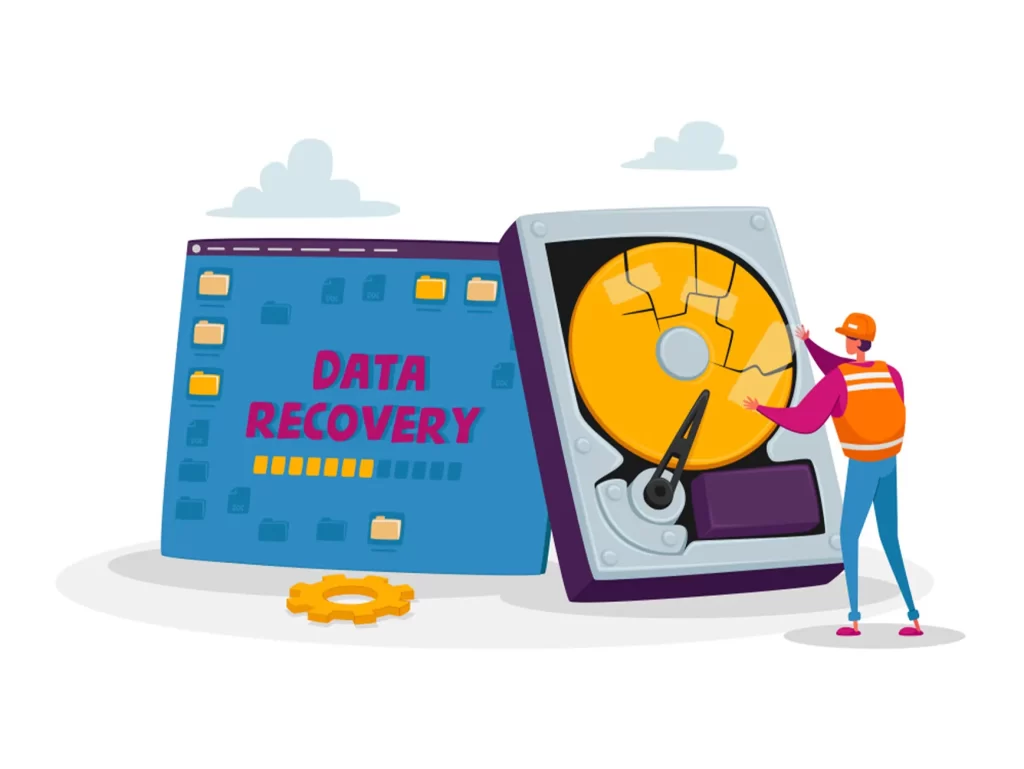
- Data Recovery: Restoring lost or corrupted data from backup copies.
- Disaster Recovery Planning: Developing a comprehensive plan to recover critical systems and data in the event of a disaster.
- Testing and Validation: Regularly testing backup and recovery procedures to ensure their effectiveness.
What is the Importance of Backup and Recovery?
Backup and Recovery are essential for any organization to save data from any damage. Here are some of its importance:
It protects against accidental deletion of important files, hardware failures that can corrupt or destroy data, software bugs or viruses that can compromise data integrity, and malicious cyberattacks like ransomware and data breaches.
By enabling rapid recovery of systems and data, Backup and Recovery solutions minimize downtime, reduce financial losses associated with data loss and system outages, and maintain customer trust by ensuring business continuity.
By maintaining data integrity and availability, Backup and Recovery solutions help organizations meet industry-specific data retention requirements and comply with data privacy laws and regulations.
By implementing a robust backup and recovery strategy, organizations can reduce the overall risk of data loss and system failures, meet insurance policy requirements for regular backups, and support effective disaster recovery and business continuity planning.
By implementing a robust backup and recovery strategy, organizations can protect their valuable data, minimize downtime, and ensure business continuity.

Implementing Backup and Recovery in Your Organization
Implementing a robust backup and recovery strategy is crucial for protecting your organization’s data and ensuring business continuity. Here are some key steps to consider:
identify critical data and systems, evaluate their frequency and retention requirements, and assess the potential impact of data loss on your business operations. By understanding these factors, you can prioritize data protection efforts and minimize the risk of downtime and financial loss.
Choosing the right backup strategy which aligns with your organization’s needs. Full backups create complete copies of all data, while incremental backups only capture changes since the last full backup. Differential backups capture changes since the last incremental backup, and continuous data protection (CDP) provides real-time data protection.
On-site backups store data locally, while off-site backups provide additional protection by storing data at a remote location. Cloud backup offers a scalable and secure solution for storing and accessing data.
Regularly testing your backup and recovery procedures ensures their effectiveness and validates data integrity and restoreability.
Implement Disaster Recovery Planning:
Developing a comprehensive disaster recovery plan that outlines procedures for recovering critical systems and data, and regularly testing this plan to identify and address weaknesses, are crucial for ensuring business continuity and minimizing the impact of potential disasters.
By monitoring backup and recovery processes and regularly reviewing and updating the strategy to adapt to business and technological changes, organizations can ensure the ongoing effectiveness of their data protection measures.
By following these steps and working with experienced IT professionals, you can implement a robust backup and recovery strategy that protects your organization’s valuable data and minimizes the impact of potential disruptions.

Backup and Recovery for Small Businesses:
Small businesses often overlook the importance of robust backup and recovery strategies. However, a well-implemented backup and recovery plan is crucial for protecting valuable data and ensuring business continuity.
Key Considerations for Small Businesses:
- Identify Critical Data: Determine which data is essential to your business operations.
- Consider a Backup Strategy: Select an appropriate backup strategy (e.g., full, incremental, differential, or continuous).
- Select Backup Media: Choose a suitable storage medium (e.g., external hard drives, USB drives, or cloud storage).
- Test and Monitor: Regularly test backup and recovery procedures to ensure their effectiveness.
- Implement a Disaster Recovery Plan: Develop a plan to recover critical systems and data in case of a disaster.
Choosing the Right Backup and Recovery Solution:
When selecting a backup and recovery solution, consider the following factors:
- Identify critical data that requires frequent backups and stringent security measures.
- Prioritize the protection of sensitive data, such as customer records, financial data, and intellectual property.
Recovery Time Objectives (RTO):
- Determine the maximum acceptable downtime for your organization.
- Choose a backup solution that aligns with your RTO requirements.
Recovery Point Objectives (RPO):
- Define the maximum amount of data loss that can be tolerated.
- Select a backup strategy that meets your RPO requirements.
- Evaluate the cost of different backup and recovery solutions.
- Balance the cost of the solution with the potential impact of data loss.
- Choose a solution that can scale with your organization’s growth.
- Consider cloud-based solutions for flexible and scalable backup and recovery.
- Ensure the solution meets industry standards and regulations.
- Implement strong security measures, such as encryption and access controls.
- Select a user-friendly solution that is easy to manage and maintain.
- Consider automated backup and recovery processes to minimize manual intervention.
By carefully considering these factors, you can select a backup and recovery solution that meets your specific needs and protects your organization’s valuable data.
Meta Techs: Your Trusted Partner for Backup and Recovery:
At Meta Techs, we understand the critical importance of data protection. Our comprehensive backup and recovery solutions are designed to safeguard your valuable data and ensure business continuity. Our Backup and Recovery Services:
- Data Backup and Recovery: We implement robust backup strategies to protect your data from loss or corruption.
- Disaster Recovery Planning: We develop comprehensive disaster recovery plans to minimize downtime and data loss.
- Cloud-Based Backup: We leverage the power of cloud technology to provide scalable and secure backup solutions.
- Data Encryption: We encrypt your data to safeguard it from unauthorized access.
- Regular Testing and Validation: We regularly test our backup and recovery procedures to ensure their effectiveness.
By partnering with Meta Techs, you can rest assured that your data is protected and your business is resilient. Contact us today to learn more about our backup and recovery services.