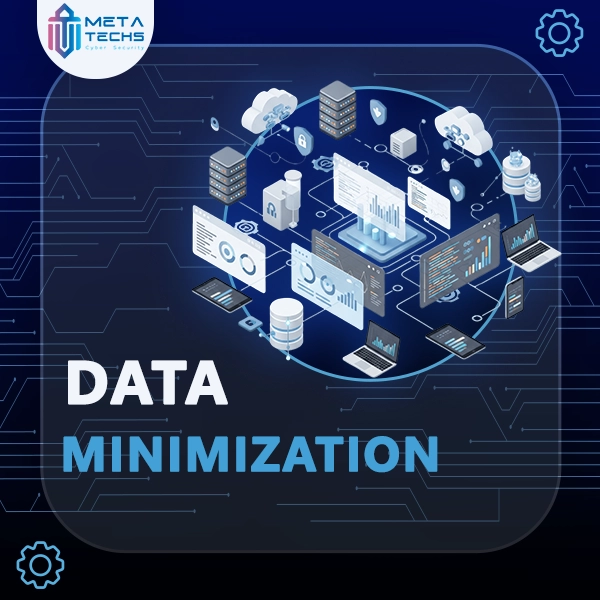
Data minimization means collecting and using only the data that is truly necessary to achieve a specific purpose. Instead of gathering as much information as possible, organizations limit data to what is relevant, adequate, and needed for the task at hand.
This approach helps reduce privacy risks, improves data security, and supports compliance with data protection laws by ensuring personal data is not kept or processed unnecessarily.
What is Data Minimization and Why Do We Need It?
Data minimization is a straightforward but powerful principle of data privacy: collect only what you absolutely need, and keep it only as long as you need it.
Think of it packing for a weekend trip. Instead of bringing your entire wardrobe “just in case,” you only pack the specific clothes you know you will wear. In the digital world, this prevents organizations from becoming “data hoarders.”
Why do we need Data Minimization?
We need data minimization because, in the modern digital landscape. Data is a liability as much as it is an asset. While it might seem tempting for a company to “collect everything now and figure it out later”, that approach creates massive risks. Here is why data minimization is a necessity for both people and businesses:
1-It Shrinks the “Attack Surface.”
Think of data like gold in a vault; the more gold you have, the more attractive you are to thieves
- Smaller Target: If a company does not store your Social Security numbers or your location history, hackers can not steal it during a breach.
- Damage Control: when a leak does not happen the fallout is much smaller because there was less sensitive info to lose in the first place.
2-Legal Necessity (the “Fine” Factor)
In 2026, privacy laws are stricter than ever. Regulations like GDPR (Europe), CCPA/CPRA (California), and a dozen new US state laws (like those in New Jersey and Oregon) make data minimization a legal requirement.
- Hefty Fines: Violating these principles can result in fines costing millions of dollars or a significant percentage of a company’s global revenue.
- Compliance: it is much easier (and cheaper) to manage 100 data points for a “right to be forgotten” request than it is to manage 10,000
Read More : What is Continuous Data Protection: Types & Challenges
3-Business Efficiency & Cost
Storing “junk data” is expensive and messy.
- Lower Storage Cost: Why pay for massive cloud servers to hold data you are not even using
- Better Accuracy: By focusing on a small, high-quality dataset, your analytics and AI models become more accurate. “Noise” from irrelevant data often leads to bad business decisions.
4-Building User Trust
In an era of constant data scandals, users are becoming “privacy-literate.”
- Transparency: When an app asks for only the basics, it feels professional and respectful.
- Retention: people are more likely to stay with a service if they do not feel like they are being “surveilled” for no reason.
Core Principles of Data Minimization
These are the rules of engagement for anyone handling information.
1- Purpose Limitation
Before a single byte of data is collected, a specific, explicit, and legitimate purpose must be defined.
- The rule: you cannot use data collected for one reason (e.g., shipping a package for an unrelated reason (e.g, selling that person’s shopping habits to an insurance company) without new consent.
- The Goal: to prevent “function creep” where data usage expands beyond what the user originally agreed to.
2- Necessity and Proportionality
This is the “sticky business” rule. You should only process data if the purpose cannot be reasonably achieved by other, less intrusive means.
- The Question: is there a way to do this without this specific piece of data?
- The Goal: to ensure the volume of data is proportional to the benefit or service provided.
3- Adequancy and Relevance
Data must be adequate, meaning you have enough to actually complete the intended task, but it must also be relevant. If you are signing someone up for an email newsletter, asking for their home address or date of birth is irrelevant and violates this principle.
4- Retention and Storage Limitation
Data should not hang around forever. This principle requires the organization to hold
- Anonymization: If you need the data for long-term trends, you should strip away all identifying markers.
- Deletion: once the “use-by date” hits, the data should be securely erased.
Why These Principles Matter for Indian Businesses?
Here is why these principles are critical for businesses operating in India today:
1- statutory compliance (section 6 of DPDPA)
The DPDP Act explicitly mandates that personal data must be processed only for a specified purpose for which the user (Data Principal) has given consent.
- The Penalty: Non-compliance is not just a slap on the wrist. The Data Protection Board of India can impose fines of up to 250 crore for significant breaches or failure to implement reasonable safeguards.
2- Reduced “Attack Surface.”
India has seen a massive surge in cyberattacks and data breaches.
- Less Data = Less Risk: If a hacker breaches your systems, but you have only kept a user’s email instead of their Aadhaar number, PAN, and home address, the “blast radius” of the breach is significantly smaller.
- Storage Limitation: The Act requires you to delete data once its purpose is served. This forces a “clean house” policy that naturally reduce yoyr liabilty over time.
3- building consumer trust in a New Era
Indian consumers are becoming increasingly privacy-conscious.
- Competitive Edge: Companies that ask for minimal permissions (e.g., a flashlight app that does not ask for your contacts) are winning user trust.
- Transparency: under the DPDP Act, users have the right to Erasure and the right to know what data is being held. If your data pile is small and organized, fulfilling these requests is easy to meet legal timelines for user requests.
4- Operational Efficiency for MSMEs
For India’s massive sector of micro, small, and Medium Enterprises (MSMEs), data minimization is a cost-saver
- Lower Storage Costs: storing terabytes of “just in case” data is expensive.
- Easier Audits: When it comes time for a security audit or a “Notice” from the regulator, having a lean, purpose-driven dataset makes the process faster and cheaper.
Benefits of Data Minimization
- The Law: it’s mandatory under India’s DPDP Act. if you do not need it for the specific service, you can not legally ask for it.
- The Safety: if hackers break in, they find an empty vault instead of a goldmine. No data= no breach
- The Profit: You stop paying to store “digital trash” and speed up your systems by removing the clutter.
FAQS:
What best describes data minimization?
Data minimization is the practice of collecting and using only the minimum amount of personal data necessary to achieve a specific purpose. It focuses on limiting data access, storage, and retention to reduce privacy and security risks. This principle is a core requirement in data protection laws like GDPR.
What are the three points of data minimization?
The three points of data minimization are:
1-Collect only what is necessary._ Gather personal data strictly needed for a specific, clear purpose.
2-Limit use and access: Use the data only for that purpose and restrict access to authorized users.
3- Store for the shortest time needed retain data only as long as necessary, then delete or anonymize it.
Related posts:
 Website hack repair service with meta techs
 Fawry comments on cyber attacks and data leaking
 Effective Policy for data retention policy best practices
 the Latest fortinet vulnerability 2024
 What Is ISO 27001?, Core Principles, Benefits, and Requirements
 Cylance Protect Antivirus for Your Digital Assets