The increase of technology control is empowering us but also it could easily do a huge amount of damage. One of the most alarming new threats facing organizations is the rise of deepfake attacks, AI-generated videos, voices, or images designed to deceive people and systems.
What once seemed like science fiction is now a real cybersecurity challenge that can cause serious financial and reputational damage.
This article will be your guideline to learn everything about deepfakes attacks and the ways you could prevent your organization by.
What Are Deepfakes?
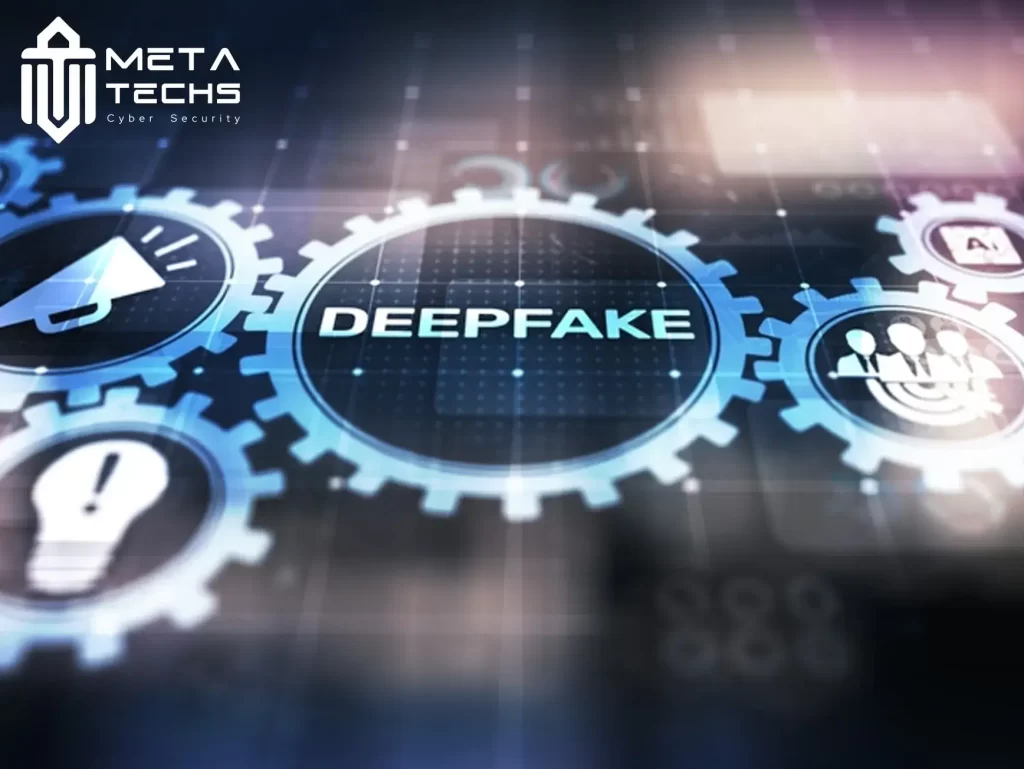
Deepfakes are the tools that attackers used to generate videos, images, or audio recordings by using AI and deep learning to mimic real people and making them do somethings they never did and never knew about.
How to Detect and Prevent Deepfake Attacks
However the danger of the confusion that deepfakes attacks could make it is also applicable to detect those attacks to prevent your organization from any disorder.
To detect deepfakes attack you have to combine AI-driven tools, network monitoring, and authentication controls.
Below are key steps businesses can implement:
1. Deploy Deepfake Detection Algorithms
Use AI and machine learning (ML) models trained to spot synthetic media. These tools analyze features such as:
- Facial movement inconsistencies (eye blinking, lip-sync errors)
- Audio-visual desynchronization
- Pixel-level anomalies or compression artifacts
- Voice frequency and tone deviations
Tools to consider: Microsoft Video Authenticator, Deepware Scanner, or Sensity AI.
2. Implement Multi-Factor and Biometric Verification
Deepfakes can imitate faces or voices, so relying on a single factor (like facial recognition) isn’t enough.
- Combine biometric + behavioral factors (keystroke dynamics, device fingerprinting).
- Require MFA for all sensitive actions (logins, financial approvals, admin access).
READ MORE : Ransomware Attacks Exploiting a Critical Flaw in Windows CLFS
3. Integrate Deepfake Detection into SOC Workflows
Include deepfake threat indicators in your Security Information and Event Management (SIEM) or SOC dashboards.
- Monitor for suspicious communication patterns (e.g., unusual video calls, spoofed voice messages).
- Use threat intelligence feeds to identify known synthetic media campaigns.
4. Strengthen Email and Communication Security
Many deepfake attacks start with phishing or social engineering.
- Enable some tools to authenticate email senders.
- Use AI-based email filtering to detect fake voice or video attachments.
5. Adopt Zero Trust and Access Controls
Apply Zero Trust Architecture principles:
- Verify every identity and device before granting access.
- Use Privileged Access Management (PAM) to limit high-risk accounts.
- Log and audit all user interactions, especially during remote sessions.
6. Conduct Regular Security Testing and Awareness Simulations
- Include deepfake scenarios in phishing simulations and social engineering tests.
- Test the response of your SOC and employees to deepfake incidents.
- Update your incident response plan to include synthetic media threats.
With the right technical setup and awareness, organizations can detect fakes faster, verify authenticity, and maintain digital trust.
Types of Deepfakes
1. Face Swapping
This is the most common form of deepfakes attacks. It involves replacing one person’s face with another’s in a photo or video.
Example: A cybercriminal creates a fake video of a company executive to authorize fraudulent transactions.
2. Voice Cloning (Audio Deepfakes)
AI models can analyze a short voice sample and generate realistic speech mimicking the target’s tone, accent, and rhythm.
Example: Attackers use voice deepfakes to trick employees into transferring funds or sharing confidential data over the phone.
3. Lip-Syncing Deepfakes
In this type, an attacker manipulates a video to change the speaker’s lip movements to match different audio, making it seem like the person said something they never did.
Example: Used in misinformation campaigns or fake news videos.
4. Full-Body Deepfakes (Puppet Mastering)
Here, attackers animate or control a person’s entire body movements using AI motion-capture techniques.
Example: A fake video shows a CEO giving a speech or participating in an event they never attended.
5. Text-to-Video or AI-Generated Avatars
Modern AI tools can create hyper-realistic avatars or videos from text prompts, even without real footage.
Example: Used for phishing, fake social media accounts, or impersonating company representatives.
6. Synthetic Media Combinations
These deepfakes mix multiple elements, fake video, cloned voice, and AI-generated background, to create entirely fabricated but convincing content.
Example: Used in espionage or disinformation campaigns targeting businesses or governments.
The Cybersecurity Risks of Deepfake Attacks
Deepfake technology isn’t just a social media threat, it’s a growing cybersecurity concern. Attackers now use AI-generated videos, voices, and images to deceive employees, customers, and even security systems.
Below are the main risks deepfakes pose to organizations:
1. Social Engineering and Phishing
Deepfakes make phishing attacks more convincing. Cybercriminals can impersonate executives, partners, or clients through video or voice calls to request money transfers or sensitive information.
2. Financial Fraud
By cloning voices or faces, attackers can bypass identity verification in banking systems or business transactions. This leads to unauthorized fund transfers or fraudulent approvals.
3. Brand and Reputation Damage
Fake videos or statements attributed to company leaders can harm trust, affect stock prices, and damage brand credibility. Once viral, such misinformation is difficult to control or disprove.
4. Data Breach and Insider Threats
Deepfakes can trick employees into revealing passwords or giving access to secure systems. A fake “manager” video or voice message can easily manipulate staff into dangerous actions.
5. Authentication System Bypass
Some deepfakes can fool facial recognition or voice authentication systems used in cybersecurity and physical access control, making traditional biometric security less reliable.
6. Disinformation and Political Manipulation
Beyond corporate risks, deepfakes are used in spreading misinformation or political propaganda, indirectly affecting businesses tied to affected sectors or regions.
Conclusion: How to Detect Deepfake Attacks
Detecting deepfake attacks requires a mix of AI tools and human analysis. Security teams can use deep learning models like XceptionNet or FaceForensics++ to spot inconsistencies in facial movements, lighting, and pixel patterns. Voice deepfakes can be detected through waveform and spectrogram analysis using tools such as Resemblyzer. Checking file metadata, verifying digital watermarks, and monitoring unusual network activity also help identify fake media. Combining automated detection with employee awareness and verification practices ensures stronger protection against deepfake threats.
At Meta Techs, we help businesses stay protected through proactive threat monitoring, AI-driven security solutions, and expert consulting, ensuring your organization remains secure and trustworthy in the age of deepfakes.
Contact Meta Techs today to secure your organization against the next wave of digital deception.
FAQ:
What is an example of a deepfake attack?
A deepfake attack could involve a fake video or voice message of a CEO authorizing a money transfer, tricking employees into sending funds to cybercriminals.
How do deepfakes affect cybersecurity?
Deepfakes make phishing and social engineering attacks more convincing, leading to data breaches, financial fraud, and reputational damage.
How is AI used in cyberattacks?
AI helps attackers automate phishing, create realistic deepfakes, and bypass traditional security systems through smarter, adaptive attacks.
Related posts:
 Website hack repair service with meta techs
 Fawry comments on cyber attacks and data leaking
 Effective Policy for data retention policy best practices
 the Latest fortinet vulnerability 2024
 What Is ISO 27001?, Core Principles, Benefits, and Requirements
 Cylance Protect Antivirus for Your Digital Assets