In today’s digital world agility and scalability are essentials for business. That’s why many organizations adopt cloud solutions to store their data and several benefits.
In this article you will know what cloud solutions are, their types, benefits and if you need it for your organization or not.
What are cloud solutions?
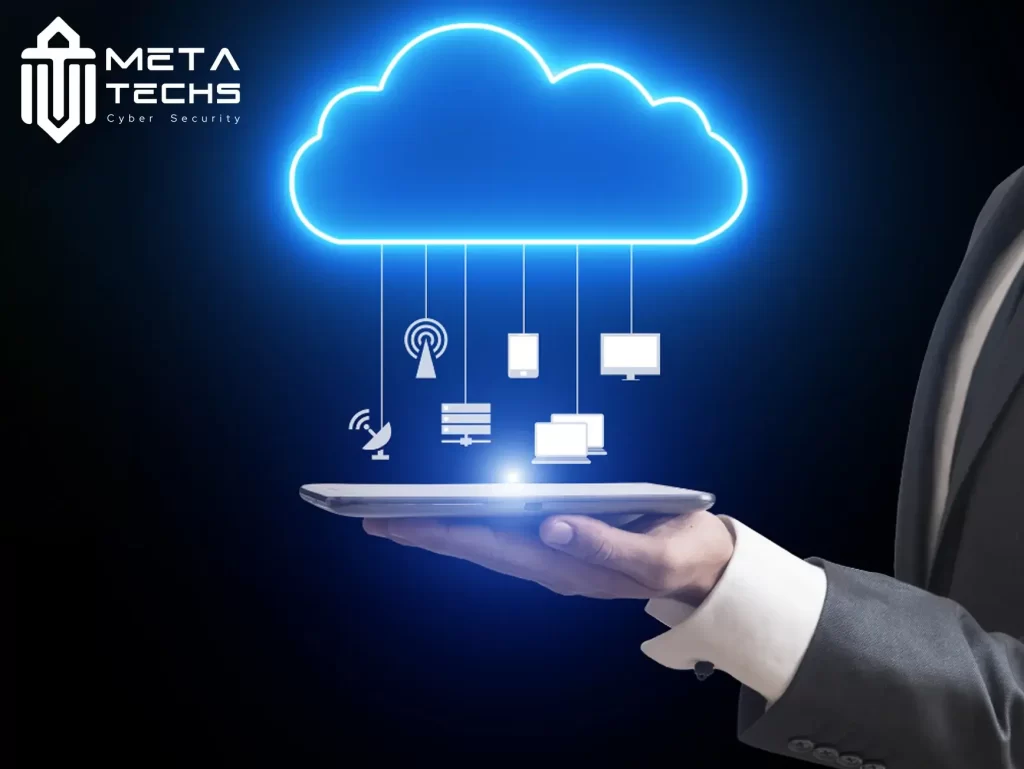
Instead of storing your data on your personal device or local servers, cloud solutions provide service, applications and resources delivered over the internet. They allow businesses and individuals to access computing power, data storage, and software tools on demand, without the need to invest heavily in physical infrastructure.
In practice, what are cloud solutions can make are:
- Store and access data securely from any location.
- Run complex applications and workloads without maintaining physical servers.
- Collaborate in real time with colleagues across different regions.
- Ensure business continuity with built-in backup and disaster recovery options.
By combining scalability, cost efficiency, and accessibility, cloud solutions have become a backbone of modern business operations, enabling companies to innovate faster while reducing IT overhead.
Learn the types of cloud security solutions
Types of Cloud Solutions
Cloud solutions come in different forms, each serving a unique business need. The main types include:
- Infrastructure as a Service (IaaS)
-
- Provides virtualized computing resources like servers, networks, and storage.
- Ideal for businesses that want flexibility to build and manage their own IT environment without investing in physical hardware.
- Platform as a Service (PaaS)
- Offers a complete development and deployment environment in the cloud.
- Developers can build, test, and launch applications without managing servers or storage.
- Software as a Service (SaaS)
- Delivers ready-to-use software applications via the internet.
- No installation or maintenance required, just log in and start using.
- Cloud Storage
- Secure storage that lets users save and access files anytime, anywhere.
- Offers backup, scalability, and collaboration features.
- Cloud Security Solutions
- Protects data, applications, and workloads hosted in the cloud.
- Includes firewalls, encryption, monitoring, and identity access management.
- Disaster Recovery as a Service (DRaaS)
- Ensures business continuity by providing backup systems and fast recovery after a cyberattack, outage, or system failure.
- Ensures business continuity by providing backup systems and fast recovery after a cyberattack, outage, or system failure.
Who Uses Cloud Solutions?
Cloud solutions are used by businesses of all sizes, industries, and even individuals. Small businesses adopt them to cut IT costs, startups use them to scale quickly, and large enterprises rely on them for global operations and big data. Sectors like healthcare, finance, education, and government benefit from secure data management, compliance, and digital services. Individuals also use cloud storage, streaming, and collaboration tools in daily life.
Read More: Cloud Infrastructure Security: Meaning, Importance and Types
Benefits of Cloud Solutions
Cloud solutions bring significant advantages to businesses and individuals, making them a core part of modern digital operations:
- Scalability: Easily adjust resources up or down based on business needs without investing in new hardware.
- Cost Efficiency: Reduce IT expenses by paying only for the services you use.
- Flexibility & Remote Access: Work from anywhere with internet access, supporting hybrid and remote teams.
- Collaboration: Enable real-time file sharing, editing, and teamwork across different locations.
- Security: Benefit from advanced protections like encryption, monitoring, and backup provided by cloud vendors.
- Disaster Recovery & Reliability: Built-in backup and recovery options minimize downtime in case of failure or cyberattacks.
- Innovation & Speed: Access the latest tools and platforms quickly, helping businesses launch products and services faster.
How to Differentiate Between Cloud Solutions
After we clarify what are cloud solutions and their main types, it is important to know how to differentiate between cloud solutions and this depends on what you manage versus what the provider delivers:
- IaaS (Infrastructure as a Service): You manage apps and data; the provider handles servers and storage. Best for flexibility and control.
- PaaS (Platform as a Service): Provider manages infrastructure; you focus only on app development. Ideal for developers.
- SaaS (Software as a Service): Provider manages everything; you just use the software. Perfect for tools like email, CRM, and collaboration apps.
They can also be deployed as Public, Private, or Hybrid Cloud, depending on security and scalability needs.
In conclusion:
It is essential to learn what are cloud solutions because they are no longer just an IT trend, they are the foundation of modern business success. From scalability and cost efficiency to security and innovation, the cloud empowers organizations of all sizes to operate smarter, faster, and more competitively.
At Meta Techs, we provide tailored cloud solutions that align with your business goals, whether it’s cloud migration, secure storage, collaboration tools, or advanced security. With our expertise, you gain the flexibility and confidence to grow in today’s digital world while keeping your data safe and operations reliable.
Partner with Meta Techs and unlock the full potential of the cloud for your business.
FAQs
What is meant by cloud solutions?
Cloud solutions are internet-based services that provide storage, software, or computing resources without relying on physical hardware.
What are examples of cloud solutions?
Examples include Google Drive (storage), Microsoft 365 (SaaS), Amazon Web Services (IaaS), and Zoom (collaboration).
Related posts:
 Website hack repair service with meta techs
 Fawry comments on cyber attacks and data leaking
 Effective Policy for data retention policy best practices
 the Latest fortinet vulnerability 2024
 What Is ISO 27001?, Core Principles, Benefits, and Requirements
 Cylance Protect Antivirus for Your Digital Assets