AI is the “force multiplier” in modern cybersecurity. It shifts defense from being reactive (fixing things after they break) to predictive (stopping attacks before they happen).
What are the benefits of ai in cybersecurity
1-High-Speed Threat Detection
- Massive Data Processing: AI can scan millions of network events per second to find patterns that a human analyst would miss
- Real-Time Response: It can automatically isolate an infected laptop or block a suspicious IP address in milliseconds, long before a human could even open the alert.
2-Behavioral Analysis (Zero-Day Protection)
- Beyond “signatures”: old antivirus software looks for “known” virus files. AI looks for behavior.
- Example: if an accountant suddenly starts trying to access the encrypted engineering code at 3 AM, AI flags it is an anomaly, even if the attacker has a valid password.
3-Fighting “AI with AI.”
- Phishing Defense: one of the benefits of ai in cybersecurity is that AI can analyze the tone and metadata of emails to spot deepfake-style scams or “perfect” phishing emails that have no typos.
- Bot Management: it can distinguish between a human customer and a malicious bot trying to “brute force” passwords or scrape website data.
4-Reducing “Alert Fatigue.”
- Smart Filtering: security teams are often overwhelmed by thousands of false alarms
- AI filters out the noise and only escalates the high-priority threats, allowing human experts to focus where they are needed most.
Read More : Top AI Cybersecurity Risks In 2026
How the Benefits of AI in Cybersecurity Strengthen Defense Systems
In 2025, benefits of ai in cybersecurity became noticeable because AI has transformed cybersecurity from a reactive “waiting game” into a proactive, machine-speed defense system. It strengthens defense by addressing the three main weaknesses of human-only security: speed, scale, and pattern recognition.
These benefits partially reinforce the defense system:
1- From “Signature-Based” to “Behavior-Based” Defense
Traditional security systems are like a “Most Wanted” list; they only catch criminals they have seen before (known virus signatures). AI, however, uses Anomaly Detection.
AI learns the “normal” behavior of every trusted employee’s account suddenly begins accessing sensitive files at 2 AM from an unusual IP address, the AI flags it immediately as a potential compromise, even if the hacker has the correct password.
2- Automated Incident Response (The Machine Speed Edge)
When a breach occurs, every second counts. AI-driven systems (like XDR-Extended Detection and Response) can act without waiting for a human to wake up or log in.
If the AI detects a ransomware strain starting to encrypt files, it can automatically isolate the infected computer from the rest of the network and revoke the user’s credentials in milliseconds. This stops a localized infection from becoming a company-wide catastrophe.
3- Predictive Threat Hunting
Instead of just blocking attacks as they happen, AI uses Predictive Analytics to find weaknesses before hackers do.
by analyzing global threat intelligence feeds and historical data, AI can predict which of your systems are most likely to be targeted next. It can then prompt your IT team to apply specific patches or tighten “Zero Trust” policies in exactly the right places.
The Rise of OpenAI and Its Impact on Cybersecurity
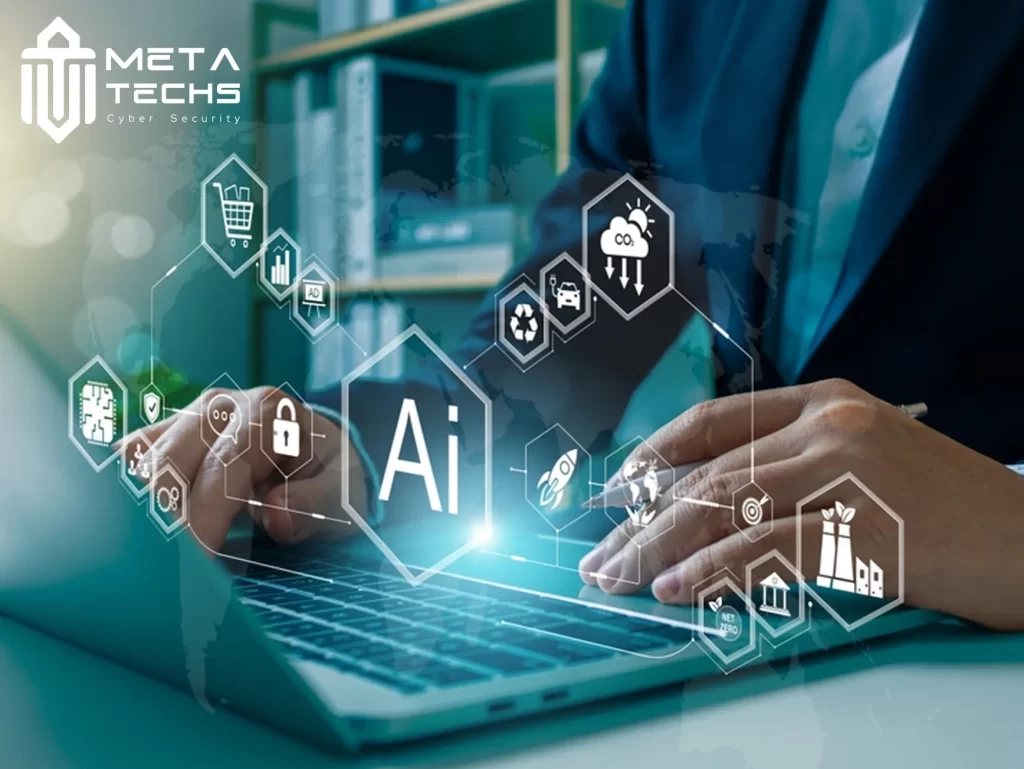
The rise of OpenAI (especially models like GPT-5-2 and Codex) has created a double-edged sword. It has simultaneously empowered hackers with the most powerful security tools in history.
1- The Impact on “The Offense” (Hackers)
OpenAI’s technology has lowered the “barriers” to entry for cybercrime, allowing low-skilled attackers to perform acute high-level operations.
- Hyper-Realistic Phishing: attackers use AI to generate perfectly written, culturally relevant emails that lack the usual “red flags” like poor grammar. They can now personalize 10,000 emails in a second using data scraped from social media.
- Autonomous Malware: Hackers use AI to write and refactor code that can bypass traditional antivirus software by constantly changing its own structure (polymorphic malware)
- Deepfake Engineering: using AI voice cloning, attackers have successfully impersonated CEOs in phone calls to trick employees into making urgent wire transfers massive escalation of social engineering.
You may also like : AI in Cybersecurity and How to use
2- The Impact on “The Defense” (Security Teams)
Conversely, OpenAI is heavily investing in Defensive AI to tip the scales back in favor of security professionals.
- Aardvark (OpenAI’s Security Agent): OpenAI recently introduced “Aardvark,” an AI agent designed to act as a digital security researcher. It can scan an entire company’s codebase, find vulnerabilities, and automatically suggest the exact code patch needed to fix them.
- GPT-5-2 Codex: This model is specially optimized for cybersecurity tasks. In tasks in 2025 tests, it achieved a 76% success rate in the complex “Capture the Flag” (CTF) security challenges, a massive leap from earlier models.
- Security Copilots: Tools like Microsoft Security Copilot (powered by OpenAI) now act as a 24/7 assistant for IT teams, summarizing massive attack logs into plain English so analysts can react in minutes instead of days.
Areas Where AI Can Be Used in Cybersecurity
benefits of ai in cybersecurity has moved from being a “luxury feature” to the fundamental engine of cybersecurity. It is used to close the gap between human reaction time and the machine speed of modern, AI-orchestrated attacks.
1- Threat Detection & Response (XDR)
This is the most critical area. AI has shifted systems from signature-based (looking for known threats) to behavior-based (looking for “weird” activity).
- Anomaly Detection: AI learns the normal pattern of a network. If a user suddenly downloads gigabytes of data at 3 AM from an unusual location, the AI flags it instantly as a potential breach.
- Automated Response: Upon detecting ransomware, AI can autonomously isolate an infected laptop or shut down a compromised server in milliseconds, preventing the threat from spreading across the company.
2- Identity & Access Management (IAM)
AI is replacing static passwords with Adaptive Authentication
- Risk-Based Access: every time you log in, AI calculates a “Risk Score” based on your device health, location, and even behavioral biometrics (like your typing speed or mouse movements)
- Zero Trust: AI continuously verifies your identity throughout your entire session, not just at the moment you log in. If your behavior changes suspiciously, the system can automatically demand re-verification (like a face scan).
3- Vulnerability & Patch Management
IT teams are often overwhelmed by thousands of software bugs. AI acts as a strategic filter
- Predictive Patching: AI analyzes which vulnerabilities are actually being exploited by hackers in the real world and tells the IT team exactly which ones to fix first.
- AI-Assisted Coding: Tools like “Snyk” or “GitHub Copilot” utilize AI to scan code as it’s being written, identifying security flaws (such as SQL injections) before the software is even launched.
4- Phishing & Social Engineering Defenses
Since 90% of attacks start with a human mistake, AI is used as a “ digital guardian” for your inbox.
- NLP Analyses: AI uses Natural Language Processing to detect if an email from your “boss” does not sound like them or if it uses subtle psychological pressure tactics typical of a scam.
- Deepfake Detection: New AI tools can analyze audio and video in real-time during a call to verify if the person on the other end is a real human or an AI-generated clone.
5- Secure Cloud & “Shadow AI” Management
As companies move to the cloud, AI is used to manage the “invisible” parts of the network.
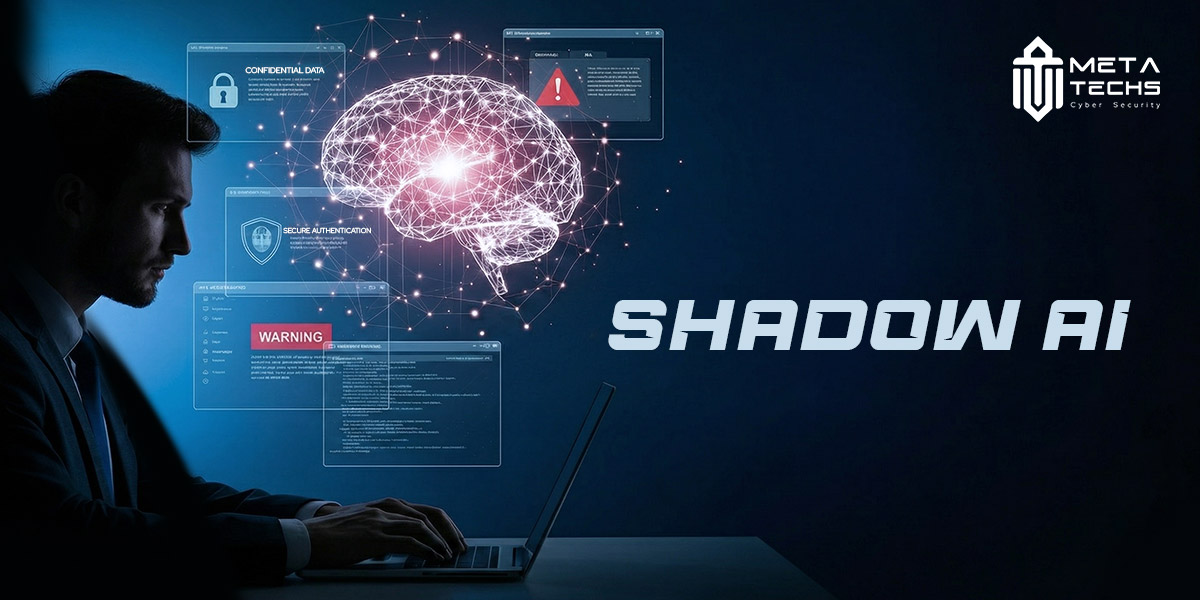
- Shadow AI Detection: AI monitors the network to find “shadow AI” employees using unsanctioned, insecure AI tools that cloud leak company data.
- Cloud Drift: AI watches for “configuration drift”, where a cloud setting is accidentally changed to public, leaving a sensitive database exposed to the internet.
Implementing AI in Your Cybersecurity Strategy
Implementing AI in cybersecurity helps organizations detect threats faster, automate incident response, and reduce false positives by analyzing large volumes of security data in real time. When combined with strong governance and human oversight, AI enables a proactive and scalable security defense.
FAQS:
What are the primary benefits of AI in cybersecurity?
Primary benefits of AI in cybersecurity: faster threat detection, automated response, reduced false positives, improved accuracy, and scalable protection against advanced attacks.
What is the future of AI in cybersecurity?
Future of AI in Cybersecurity: AI will enable fully automated, predictive, and adaptive security systems that detect and stop attacks in real time before damage occurs.
Related posts:
 Website hack repair service with meta techs
 Fawry comments on cyber attacks and data leaking
 Effective Policy for data retention policy best practices
 the Latest fortinet vulnerability 2024
 What Is ISO 27001?, Core Principles, Benefits, and Requirements
 Cylance Protect Antivirus for Your Digital Assets