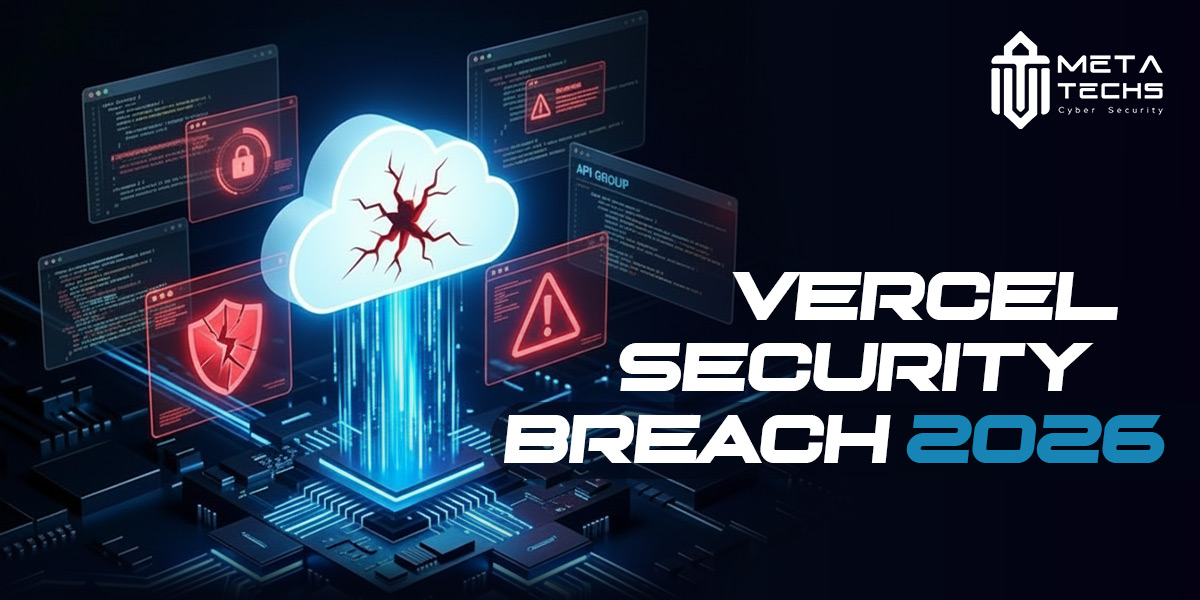
Modern development platforms like Vercel play a critical role in deploying and managing applications at scale. However, the recent Vercel security breach 2026 highlighted how even leading platforms can be exposed through indirect attack paths.
This incident is not just about one company, it’s a wake-up call for every organization relying on SaaS tools, integrations, and cloud-based workflows.
What Happened in the Vercel Security Breach 2026?
In April 2026, Vercel confirmed a security incident where attackers gained access to internal systems and sensitive data. However, the attack did not start within Vercel itself.
Instead, it began with:
- Malware hidden in a seemingly harmless download
- Stolen credentials and OAuth tokens
- A compromised third-party tool connected to a Vercel employee account
This chain of events allowed attackers to move laterally into Vercel’s environment and access internal resources
How the Attack Worked
The breach followed a classic supply chain attack pattern:
- A device was infected with credential-stealing malware
- OAuth tokens from a third-party tool were stolen
- Attackers accessed a Vercel employee account
A key issue was that some environment variables were not properly secured, which allowed attackers to extract valuable information and expand their access.
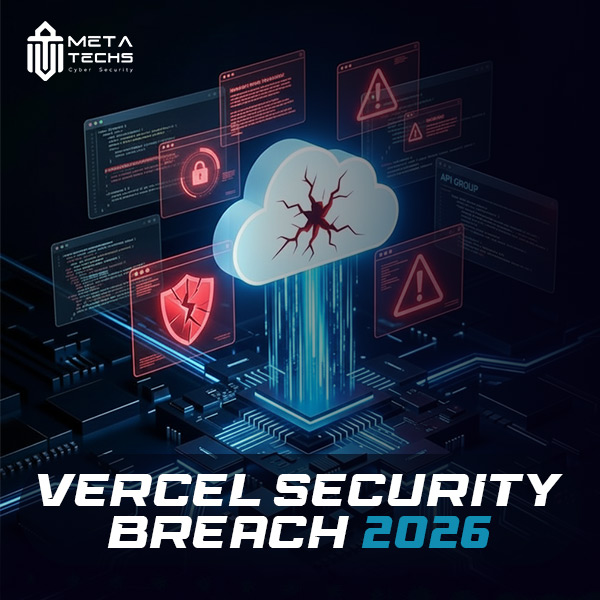
Why This Matters for Vercel Security
This incident highlights a critical shift in cybersecurity:
- Attackers are no longer targeting the main platform first
- They target the weakest connected system
For organizations using Vercel or similar platforms, this means:
- Third-party integrations are now part of your attack surface
- OAuth permissions can become a major risk
- A single compromised account can impact the entire environment
Key Risks Exposed by the Breach
- Credential Theft
Stolen tokens enabled unauthorized access without triggering alerts
- Over-Permissioned Integrations
Third-party tools had more access than necessary
- Lack of Visibility
Organizations often don’t track what connected tools can access
- Expanded Attack Surface
Each integration increased exposure to risk
What Organizations Should Do Now
To strengthen Vercel security and prevent similar incidents:
- Review OAuth Permissions
Audit and remove unnecessary third-party access
- Apply Least Privilege Principles
Grant only the minimum access required
- Secure Environment Variables
Ensure sensitive data is encrypted and properly classified
- Monitor for Anomalous Activity
Detect unusual access patterns in real time
- Strengthen Endpoint Security
Prevent malware and credential theft at the source
- Adopt Zero Trust Architecture
Continuously verify users, devices, and applications
Conclusion
The Vercel security breach 2026 is a clear reminder that cybersecurity is no longer limited to your internal systems. It extends to every tool, integration, and connection within your ecosystem.
At Meta Techs, we help organizations secure their environments by improving visibility, managing risk across integrations, and implementing proactive security strategies.
Because in today’s threat landscape, your security is only as strong as your weakest connection.
Related posts:
 Website hack repair service with meta techs
 Fawry comments on cyber attacks and data leaking
 Effective Policy for data retention policy best practices
 the Latest fortinet vulnerability 2024
 What Is ISO 27001?, Core Principles, Benefits, and Requirements
 Cylance Protect Antivirus for Your Digital Assets