In today’s hyper-connected world, businesses of all sizes grapple with a constantly evolving landscape of cyber threats. The risks are escalating rapidly, from sophisticated ransomware attacks to AI-powered phishing campaigns.
This article will delve into some of the most pressing Recent Threats in Cyber Security that organizations could face and provide actionable steps to mitigate these risks.
What are cyber security threats?
Cybersecurity threats encompass any action that aims to compromise the integrity, confidentiality, or availability of computer systems, networks, and the data they hold. These threats can originate from various sources, including:
-
Malicious Actors:
These include cybercriminals, state-sponsored hackers, and organized groups with the intent to steal data, disrupt operations, or extort money.
-
Accidental Events:
Human error, such as misconfigurations, accidental data deletion, or the spread of malware through infected devices, can also pose significant cybersecurity risks.
-
Natural Disasters:
Events like earthquakes, floods, and fires can disrupt critical infrastructure and damage physical equipment, leading to data loss and system outages.
The impact of these threats can be severe, ranging from minor disruptions to catastrophic data breaches, financial losses, reputational damage, and even loss of life in critical infrastructure sectors.
What are the types of recent threats in cyber security?
These threats can be broadly categorized as follows:
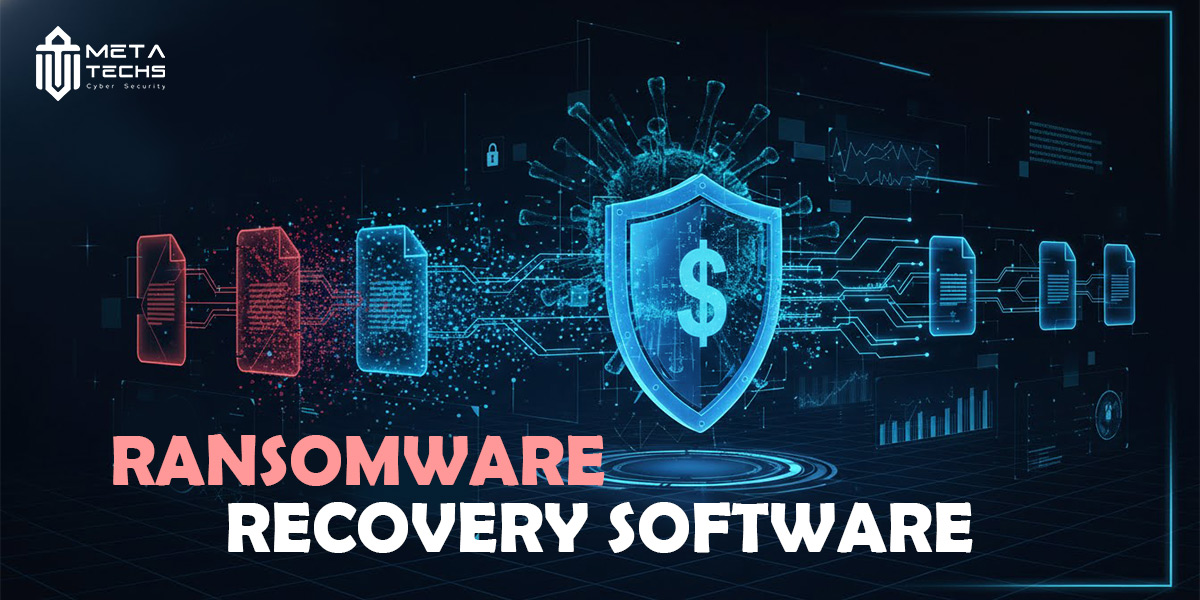
Ransomware: This insidious form of malware continues to plague organizations, with attackers encrypting critical data and demanding exorbitant ransoms for its release. Recent trends include:
1- Double Extortion: Attackers employ a two-pronged approach, not only encrypting data but also threatening to publicly release sensitive information stolen during the attack, escalating the pressure on victims.
2-Ransomware-as-a-Service (RaaS): This model democratizes cybercrime, enabling individuals with limited technical expertise to leverage readily available tools and launch devastating ransomware attacks.
Phishing and Social Engineering: These attacks exploit human psychology, manipulating individuals into divulging confidential information or clicking on malicious links.
1- Business Email Compromise (BEC): Attackers meticulously impersonate company executives, often with remarkable accuracy, to deceive employees into transferring funds or sharing sensitive data.
2- Deepfakes: The emergence of AI-powered deepfakes presents a new level of sophistication, with attackers creating highly realistic but fraudulent audio and video content, blurring the lines between truth and deception.
AI-Powered Attacks: The rise of artificial intelligence brings both unprecedented opportunities and significant risks.
1- AI-Enhanced Malware: Attackers are harnessing the power of AI to develop more sophisticated and evasive malware that can adapt, learn, and circumvent traditional security defenses.
2- AI-Driven Phishing: AI algorithms are being used to personalize phishing attacks, making them more convincing and targeted, significantly increasing their success rates.
Cloud Security Challenges: As organizations increasingly rely on cloud computing, securing these environments becomes paramount.
1- Misconfigurations: Incorrectly configured cloud services can inadvertently expose sensitive data and create vulnerabilities that attackers can exploit.
2- Data Breaches: Unauthorized access to cloud-based data can have far-reaching consequences, including financial losses, reputational damage, and regulatory penalties.
The Internet of Things (IoT) Security: The proliferation of interconnected devices presents a rapidly expanding attack surface.
1- Botnets: Attackers can exploit vulnerabilities in IoT devices to create vast networks of compromised devices, known as botnets, which can be used to launch large-scale attacks, such as Distributed Denial of Service (DDoS) attacks.
2- Privacy Concerns: Many IoT devices collect personal data, raising serious concerns about data privacy and the potential for misuse of this information.
What Companies Are Doing to Combat recent threats in cyber security
Organizations are actively fortifying their defenses against the evolving threat landscape:
-
Proactive Measures:
- MFA: Implementing multi-factor authentication strengthens account security.
- Employee Training: Educating employees about security best practices minimizes human error.
- Security Audits: Regular assessments identify and address vulnerabilities.
- Robust Technology: Investing in firewalls, intrusion detection systems, and endpoint security enhances defenses.
- Zero Trust: Adopting a zero-trust model enhances security by verifying all access requests.
-
Cloud Security:
- CASB: Cloud Access Security Brokers (CASB) provide visibility and control over cloud usage.
- CSPM: Cloud Security Posture Management tools ensure secure cloud configurations.
- DLP: Data Loss Prevention solutions prevent sensitive data leakage.
-
IoT Security:
- Secure Procurement: Prioritizing devices from reputable vendors with strong security.
- Firmware Updates: Regularly updating IoT devices with the latest patches.
- Network Segmentation: Isolating IoT networks to limit the impact of breaches.
-
Incident Response:
- Preparedness: Developing and rehearsing incident response plans.
- Dedicated Teams: Establishing a dedicated team to effectively handle cyber incidents.
-
Continuous Improvement:
- Threat Intelligence: Staying informed about the latest threats.
- Collaboration: Sharing threat intelligence and best practices with other organizations.
By proactively implementing these measures and maintaining a vigilant security posture, organizations can effectively mitigate cyber risks and safeguard their critical assets.
Conclusion
The cyber threat landscape is constantly evolving, presenting new challenges and requiring organizations to adapt their security strategies accordingly. By understanding the nature of these threats, implementing robust security measures, and maintaining a proactive approach, businesses can mitigate risks, protect their critical assets, and thrive in the digital age.
FAQs
- What are the most common types of cyberattacks?
- Common cyberattacks include ransomware, phishing, malware, DDoS attacks, and data breaches.
- How can I protect my business from cyberattacks?
- Implement multi-factor authentication, educate employees, conduct regular security assessments, invest in cybersecurity technologies, and develop an incident response plan.
- What is the importance of employee training in cybersecurity?
- Employee training plays a crucial role in raising awareness about security threats and empowering employees to identify and report suspicious activities.
Related posts:
 Website hack repair service with meta techs
 Fawry comments on cyber attacks and data leaking
 Effective Policy for data retention policy best practices
 the Latest fortinet vulnerability 2024
 What Is ISO 27001?, Core Principles, Benefits, and Requirements
 Cylance Protect Antivirus for Your Digital Assets