Organizations across Dubai and the UAE are becoming more connected than ever. Companies now depend heavily on cloud platforms, online transactions, remote work systems, and digital communication tools to manage daily operations. While this shift has improved efficiency, it has also increased exposure to cyber threats.
In 2026, cyber attacks are affecting companies of all sizes, not just large enterprises. Small teams, startups, healthcare providers, logistics companies, and financial firms are all becoming targets because attackers often look for weak security gaps that are easier to exploit.
Many cyber incidents now begin with simple mistakes like clicking a fake email link, using weak passwords, or exposing sensitive business systems online without proper protection. For example, an employee clicking a fake invoice email can sometimes give attackers access to internal systems within minutes.
At Meta Techs, businesses across UAE are supported with practical cybersecurity solutions designed to reduce these risks and improve long-term protection against evolving threats.
Overview of Cyber Threat Landscape
The cybersecurity landscape in UAE is changing rapidly as companies continue expanding their digital infrastructure. Attackers are no longer only targeting government organizations or multinational corporations. Mid-sized companies and growing firms are also facing increasing cyber risks.
One major reason is the amount of sensitive data companies now manage every day. Customer records, payment information, cloud applications, internal communication systems, and remote access tools all create possible entry points for attackers if security is weak.
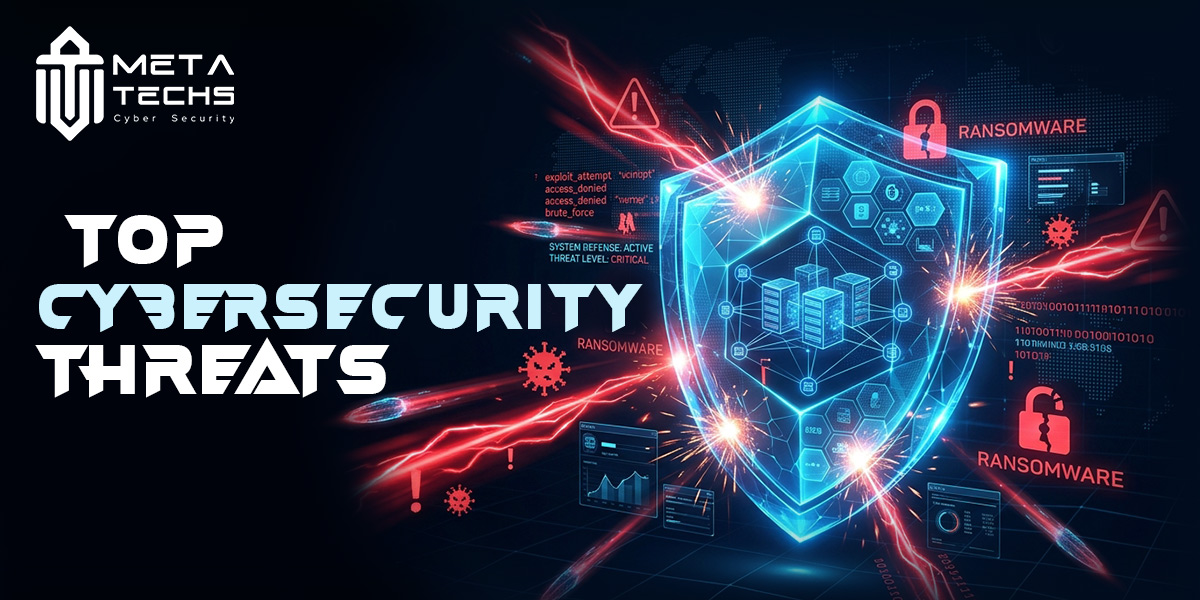
The table below highlights some of the most common cybersecurity threats businesses in UAE are facing in 2026:
| Cyber Threat | Common Business Impact |
| Phishing Attacks | Stolen login credentials and unauthorized access |
| Ransomware | Locked systems, operational downtime, data loss |
| Malware Infections | Device compromise and network disruption |
| Weak Password Attacks | Unauthorized account access |
| Cloud Security Gaps | Exposure of sensitive business information |
| AI-Powered Scams | Fake emails, voice scams, and identity impersonation |
One growing concern in 2026 is the rise of AI-assisted cyber attacks. Cybercriminals are now using artificial intelligence to create highly convincing phishing emails, fake invoices, and even deepfake voice messages designed to trick employees.
This makes cybersecurity awareness just as important as technical protection.
Operations in sectors like finance, healthcare, retail, and logistics are especially vulnerable because they handle valuable operational and customer data regularly. Even a short disruption caused by ransomware or unauthorized access can affect business continuity and customer trust quickly.
Instead of waiting for incidents to happen, many UAE businesses are now focusing on proactive cybersecurity strategies that help identify vulnerabilities early and reduce long-term risks.
Phishing Attacks Explained
Phishing attacks continue to be one of the biggest cybersecurity threats affecting businesses in UAE. Instead of targeting systems directly, attackers often target employees through fake emails, login pages, and messages designed to look genuine.
A phishing email may appear to come from:
- a bank
- a supplier
- a delivery company
- a government authority
- even an internal employee
The goal is usually to trick someone into sharing login credentials, opening malicious attachments, or clicking unsafe links.
What makes phishing more dangerous in 2026 is the rise of AI-generated scams. Cybercriminals can now create highly convincing emails with realistic branding, proper grammar, and personalized details within minutes. Some attacks even use fake voice recordings to impersonate senior employees or finance managers.
A phishing email may look like a payment request from a supplier or a delivery update from a logistics partner, making it difficult for employees to identify immediately.
For businesses in Dubai that rely heavily on cloud systems and email communication, phishing attacks can quickly lead to larger security incidents.
| Phishing Risk | Business Impact |
| Stolen Credentials | Unauthorized access to company systems |
| Fake Payment Requests | Financial losses and payment fraud |
| Malicious Attachments | Malware or ransomware infections |
| Compromised Accounts | Internal network exposure |
Even teams with good technical security can still become vulnerable if employees are unable to identify suspicious communication. This is why cybersecurity awareness training has become increasingly important across UAE organizations.
Ransomware Threats
Ransomware remains one of the most damaging cyber threats organizations face today. In these attacks, cybercriminals encrypt company files and demand payment to restore access.
For employers that depend heavily on digital operations, even a short disruption can create serious operational and financial problems. Some companies temporarily lose access to customer records, operational systems, internal files, and financial information.
Attackers are also becoming more aggressive. Many ransomware groups now steal business data before encrypting systems and threaten to leak sensitive information publicly if payment demands are ignored.
Businesses in UAE are becoming more frequent targets because of rapid digital growth and increased cloud adoption. Companies without strong backups, endpoint security, or proper monitoring are often more vulnerable.
For a retail or logistics company, even a few hours of downtime can delay operations, customer orders, and internal communication.
One common misconception is that ransomware only affects large enterprises. In reality, small and mid-sized firms are often targeted because attackers assume their security protections may be weaker.
Insider and Malware Risks
Not every cybersecurity incident starts with external hackers. Many organizations also face risks from malware infections and internal security mistakes.
Malware can enter systems through infected downloads, unsafe websites, compromised email attachments, or unauthorized software installations. Once inside a network, it may silently steal data, monitor activity, or disrupt operations.
At the same time, insider-related risks continue affecting firms across different industries. Sometimes these incidents happen accidentally through:
- weak password sharing
- incorrect cloud permissions
- employee mistakes
- unmanaged user access
In other situations, former employees may still have access to systems long after leaving the organization.
As remote work and cloud collaboration continue growing across UAE businesses, managing user access and monitoring suspicious activity has become much more important than before. In some cases, former employees may still have access to cloud accounts or shared systems months after leaving the organization.
Cybersecurity today is not only about blocking attacks from outside. It also involves improving internal security practices, reducing avoidable mistakes, and identifying vulnerabilities before they create larger problems.
How Businesses in UAE Can Reduce Cybersecurity Risks
Cybersecurity works best when teams take a proactive approach instead of reacting after an incident happens. Many companies only realize security gaps exist once systems are disrupted or sensitive information becomes exposed.
In 2026, businesses across UAE are focusing more on prevention because modern cyber attacks can spread quickly through cloud systems, employee devices, and connected business networks.
Some of the most effective ways teams can reduce cybersecurity risks include:
- training employees to recognize phishing attempts
- using multi-factor authentication
- updating systems and software regularly
- limiting unnecessary user access
- backing up important business data
- monitoring networks for suspicious activity
Even small improvements can make a major difference. Many cyber attacks succeed because of simple mistakes rather than highly advanced hacking methods.
The table below shows some common cybersecurity threats and the security measures organizations often use to reduce them.
| Cyber Threat | Prevention Approach |
| Phishing Attacks | Employee awareness training and MFA |
| Ransomware | Regular backups and endpoint protection |
| Weak Password Attacks | Strong password policies |
| Cloud Security Risks | Access control and cloud monitoring |
| Malware Infections | Device protection and software updates |
Teams handling customer information, financial data, or cloud-based operations should also perform regular security assessments to identify vulnerabilities before attackers discover them first.
This is where experienced cybersecurity support becomes important. Companies across UAE are increasingly working with security providers that can help monitor risks, strengthen infrastructure, and improve long-term protection strategies based on real operational needs.
FAQs
What are the top cybersecurity threats in UAE?
Some of the biggest cybersecurity threats affecting UAE businesses in 2026 include phishing attacks, ransomware, malware infections, cloud security breaches, weak password attacks, and AI-powered scams.
Why are phishing attacks increasing in UAE?
Phishing attacks are increasing in UAE because businesses rely heavily on email communication, cloud platforms, and remote work systems. Cybercriminals are also using AI-generated messages and fake invoices to create more convincing scams that are harder to identify.
Can small businesses become targets of cyber attacks?
Yes. Small and mid-sized businesses are often targeted because attackers assume their cybersecurity protections may be weaker than larger organizations. Even a single compromised account or phishing email can create serious operational and financial risks.
Strengthen your business security with practical cybersecurity solutions designed for modern UAE organizations. Contact us Now !
Conclusion
Cybersecurity threats in UAE are continuing to grow as businesses rely more heavily on digital systems, cloud platforms, and remote work environments. Attacks like phishing, ransomware, malware, and credential theft are now affecting organizations of all sizes across different industries.
Understanding these threats is the first step toward improving business security and reducing long-term operational risks.
For many companies, preventing a cyber attack early is far easier than recovering after systems and sensitive information are already compromised. It also helps protect customer trust and reduce costly disruptions later.
Meta Techs helps businesses across UAE strengthen their cybersecurity posture through practical security solutions designed for modern business environments and evolving cyber threats.
Related posts:
 AI Cybersecurity Threats in 2026: What Businesses Must Know to Stay Protected
 What is Cybersecurity? How Meta-Techs Protects Businesses in UAE
 Why UAE Businesses Choose Meta techs for Cybersecurity Solutions?
 Best Cyber Security Provider in UAE (2026): Compare the Top Cybersecurity Companies
 Top AI Cybersecurity Risks In 2026
 cybersecurity threats and the most common types ?