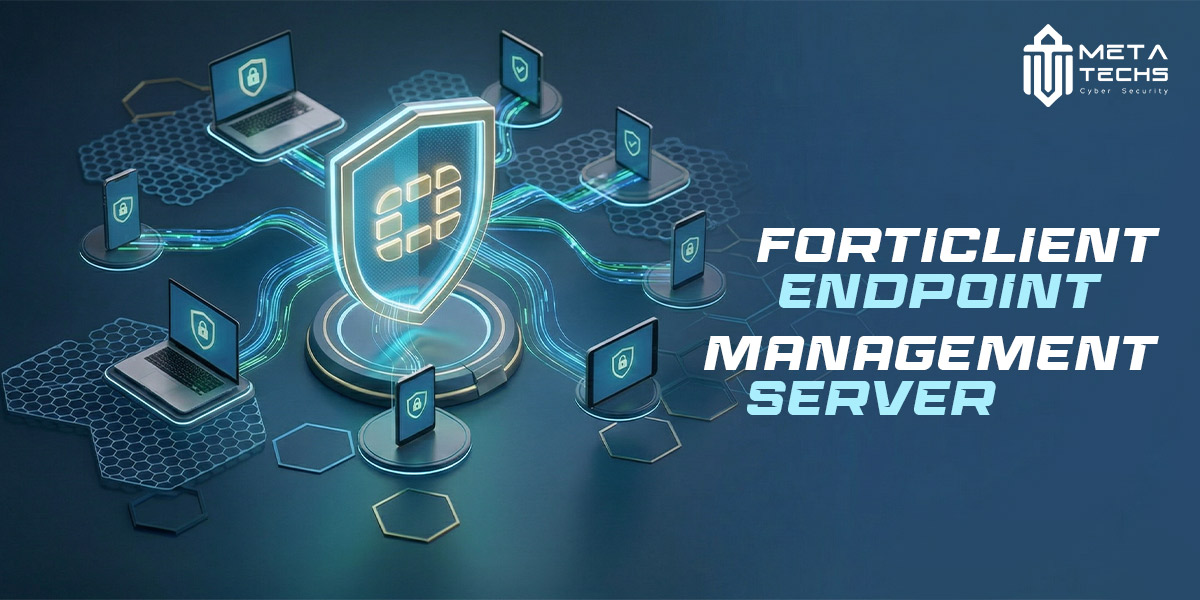
A recent vulnerability in FortiClient endpoint management Server has raised serious concerns across the cybersecurity community, mainly because of how simple it is to exploit and how critical the system is inside organizations.
This vulnerability allows an attacker to send a special request to the server without needing any login credentials. In other words, the attacker doesn’t need a username or password to get in. Once exploited, it can lead to remote code execution and give the attacker high-level access to the system.
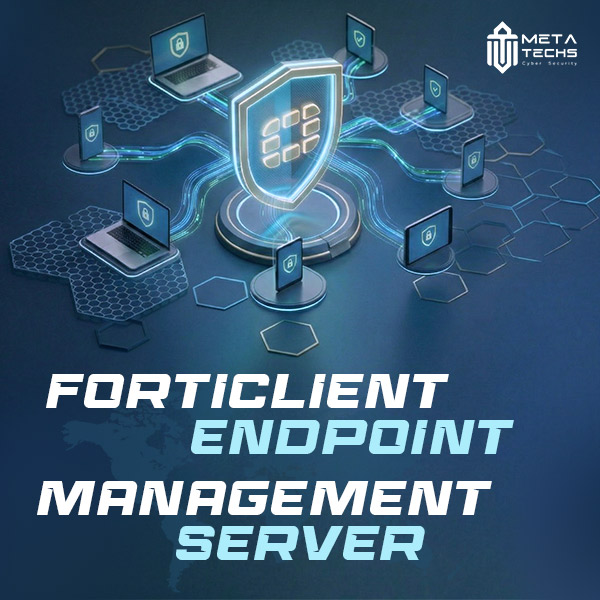
The real risk comes from the role that FortiClient endpoint management Server plays. It is responsible for managing security policies across all endpoints in an organization. If compromised, attackers could potentially control devices, access sensitive data, or even move across the entire network. This makes the impact much larger than a typical vulnerability.
What makes this issue more critical is that it is already being actively exploited. This means it’s not just a theoretical risk, organizations using affected versions are at real and immediate risk if no action is taken.
The root cause of the vulnerability is a failure in access control. The system does not properly verify whether a request is authorized before executing sensitive operations, allowing attackers to bypass security checks entirely.
For organizations, the response should be immediate. Applying the emergency patch released by Fortinet is essential, along with reviewing system activity and monitoring for any unusual behavior. Delaying updates in cases like this can significantly increase the risk of a full system compromise.
This incident is a strong reminder that even trusted enterprise tools like FortiClient endpoint management server can become entry points for attackers if not properly secured and updated.
In today’s threat landscape, staying proactive and acting quickly is key to protecting business operations and sensitive data.
Related posts:
 VMware vCenter Server: Critical RCE Vulnerability
 Fortinet FortiClient EMS Vulnerability
 Critical Vulnerabilities in GitHub Enterprise Server
 Authentication Bypass Vulnerability: A Critical Security Risk Businesses
 CVE-2025-21298: Critical Zero-Day Vulnerability in Windows
 The Importance of FortiClient to your Business