Software development is undergoing a major transformation, and at the center of this shift is the rise of AI driven SDLC.
Traditional development models, which relied on structured, sequential processes and heavy manual effort, are being replaced by more intelligent, adaptive, and autonomous systems powered by AI agents.
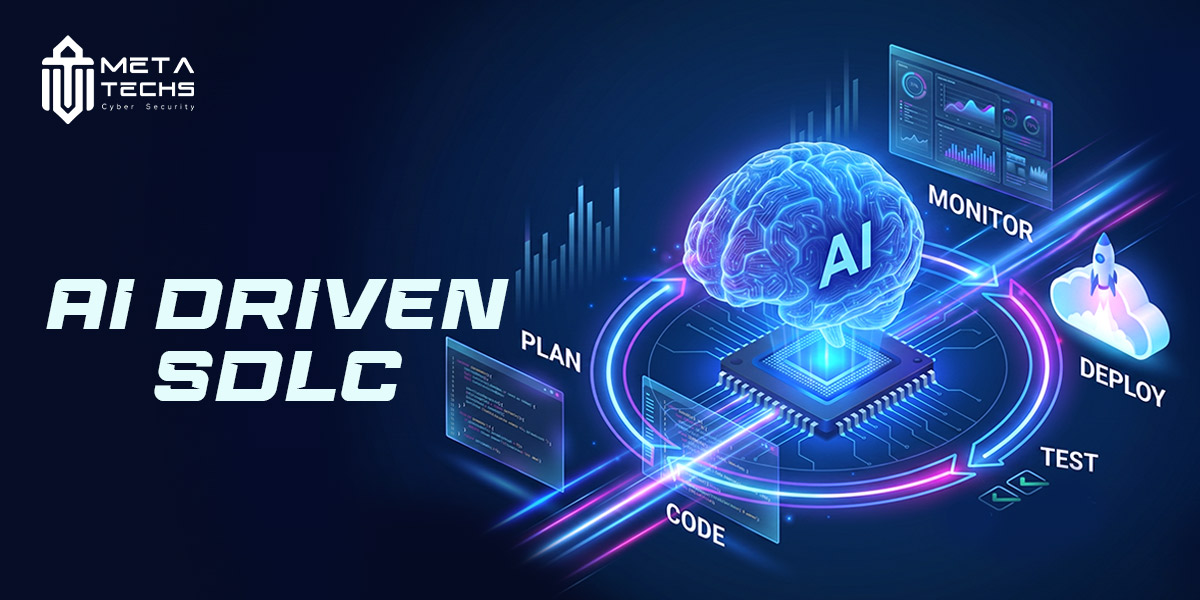
In the traditional SDLC, each phase planning, development, testing, and deployment, happens in a fixed order. Any change in requirements mid-cycle can cause delays, rework, and inefficiencies. However, with AI driven SDLC, this rigid structure is replaced with a more dynamic approach. AI agents can now operate across multiple stages simultaneously, writing code, running tests, identifying issues, and even optimizing performance in real time.
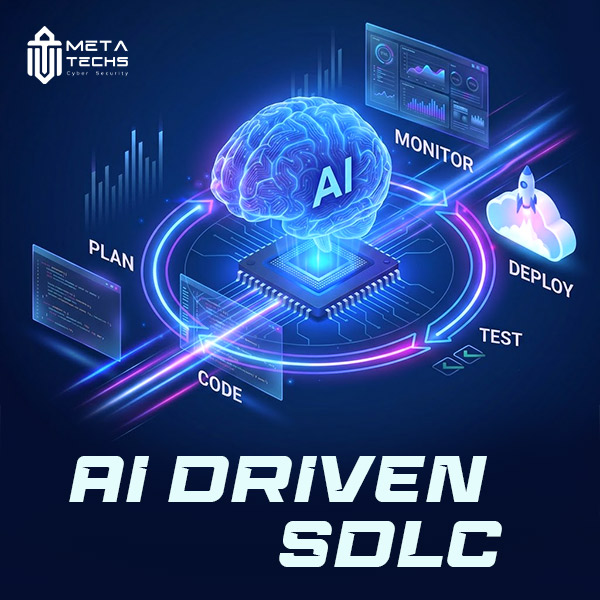
This shift fundamentally changes how software is built. Development is no longer a linear process but a continuous, parallel workflow where feedback loops are immediate rather than delayed. Testing is no longer a separate phase at the end, it becomes an ongoing activity integrated into every step. As a result, organizations can detect issues earlier, reduce errors, and accelerate delivery timelines.
One of the most important aspects of AI driven SDLC is its adaptability. Instead of working with fixed requirements, AI systems can adjust to changing goals, learn from new inputs, and refine outputs continuously. This allows businesses to respond faster to market changes and evolving customer needs without disrupting the entire development cycle.
For engineering teams, this transformation also changes the nature of their work. Instead of focusing on repetitive coding or manual testing, developers shift toward defining clear objectives, guiding AI systems, and evaluating outcomes. The focus moves from execution to strategy, from writing every line of code to managing intelligent systems that generate and validate it.
However, adopting AI driven SDLC requires a thoughtful approach. Organizations should start with targeted use cases such as automated testing or code review, then gradually expand AI capabilities across the development lifecycle. Clear requirements, strong governance, and continuous monitoring are essential to ensure that AI-driven processes remain accurate, secure, and aligned with business goals.
At Meta Techs, we view AI driven SDLC not just as a technological upgrade, but as a strategic transformation. By integrating AI into development workflows, organizations can achieve faster delivery, higher quality, and greater agility, all while maintaining control and security.
Because the future of software development is not just faster, it’s intelligent, adaptive, and AI-driven.
Talk to Our Experts About AI-Driven SDLC
Related posts:
 AIDR: The Future of Intelligent Cyber Defense
 Prepare for the Future of Cybersecurity
 Cloud Native Application Protection Platform: The Future of Cloud Security
 Why Passwordless Authentication is the Future of Cybersecurity?
 DevSecOps Application Security Best Practices 2025
 Agentic AI: The Next Evolution in Intelligent Systems