Most businesses don’t realize they have a security gap until someone points it out.
A system may be running perfectly, employees can access everything they need, and customers continue using services without any obvious issues. On the surface, everything looks secure. The problem is that cybercriminals are often looking for weaknesses that nobody inside the organization knows exist.
That is where vulnerability scanning comes in.
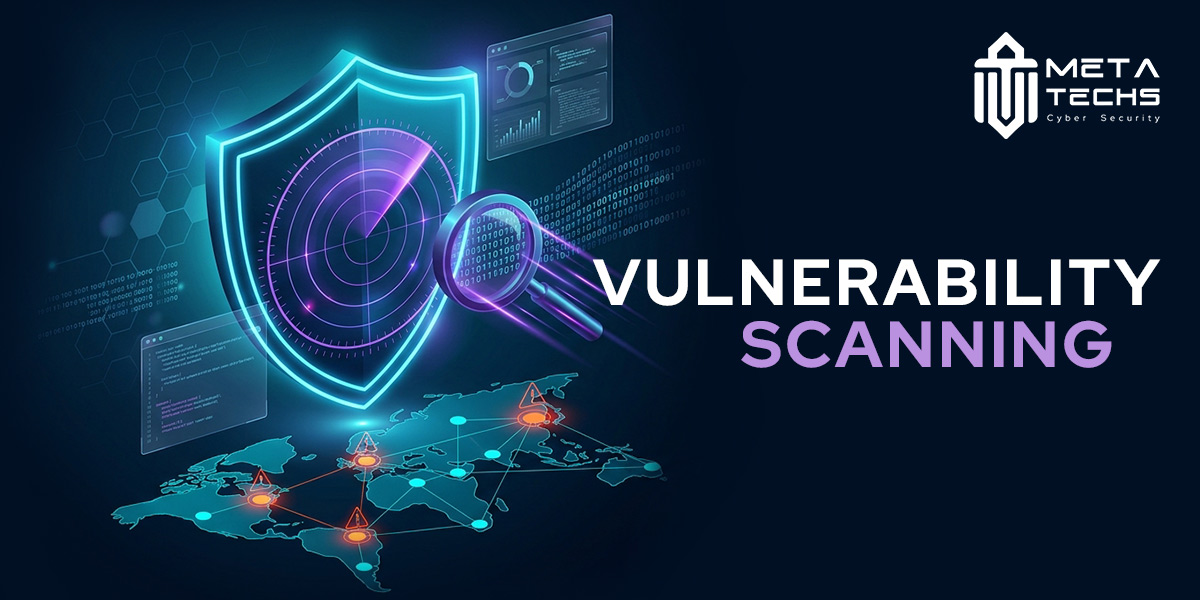
Vulnerability scanning is a cybersecurity process used to identify security weaknesses in networks, systems, applications, and connected devices. Instead of waiting for attackers to discover these gaps first, organizations use vulnerability scans to find potential risks early and address them before they become larger problems.
As businesses across UAE continue moving toward cloud platforms, remote work environments, and connected digital systems, the need for regular security assessments has grown significantly. A single overlooked vulnerability can sometimes create an entry point that affects operations, customer information, or business continuity.
For example, a company may deploy a new application, update its infrastructure, or add remote access for employees. Everything may appear to work correctly, but a small configuration mistake or unpatched system could quietly introduce a security risk that goes unnoticed for months.
This is one reason vulnerability scanning has become a standard part of cybersecurity programs for organizations across Dubai and the wider UAE.
At Meta Techs, organizations are supported with practical cybersecurity solutions that help identify vulnerabilities, improve visibility, and reduce exposure to evolving cyber threats.
What is Vulnerability Scanning
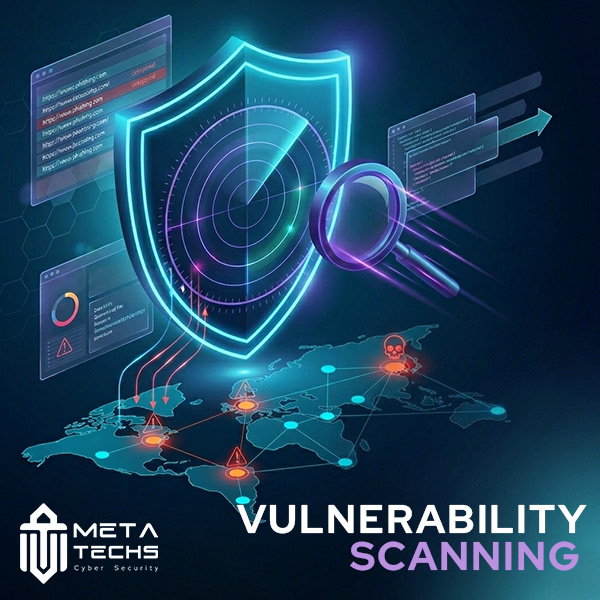
Vulnerability scanning is a security assessment designed to detect weaknesses that could potentially be exploited by attackers.
Think of it as a health check for your digital environment. The scan reviews systems, devices, applications, and network infrastructure looking for known vulnerabilities, outdated software, weak configurations, and other security issues.
The goal is simple, identify problems before someone else does.
The table below highlights some common areas reviewed during VAPT in cybersecurity :
| Area Scanned | Purpose |
| Networks | Detects exposed services and security gaps |
| Servers | Identifies outdated software and vulnerabilities |
| Applications | Finds security weaknesses in business software |
| Endpoints | Reviews employee devices and connected systems |
| Cloud Environments | Detects configuration and access-related risks |
A vulnerability scan does not usually exploit weaknesses the way penetration testing does. Instead, it focuses on finding and reporting potential security issues so they can be reviewed and fixed.
For many organizations, this provides a clear picture of where risks exist and which issues should be prioritized first.
Difference Between Vulnerability Scanning and Penetration Testing
One question that comes up frequently is whether vulnerability scanning and penetration testing are the same thing.
They are related, but they serve different purposes.
Vulnerability scanning focuses on identifying potential weaknesses. Penetration testing goes a step further by actively testing whether those weaknesses can be exploited in a real-world attack scenario.
A simple way to think about it is this:
| Vulnerability Scanning | Penetration Testing |
| Finds possible weaknesses | Tests how weaknesses can be exploited |
| Usually automated | Usually performed by security specialists |
| Provides a list of vulnerabilities | Demonstrates real-world risk |
| Helps prioritize remediation | Helps understand attack impact |
Many organizations in UAE use both approaches together. Vulnerability scanning helps maintain ongoing visibility, while penetration testing provides deeper insight into how attackers might take advantage of identified weaknesses.
Used together, they help create a stronger and more proactive cybersecurity strategy.
Common Tools Used
Vulnerability scanning is not something that is done manually from start to finish. Security teams use specialized tools to scan systems, identify known vulnerabilities, and generate reports that help prioritize remediation efforts.
Different tools are designed for different environments. Some focus on network infrastructure, while others are better suited for cloud platforms, applications, or endpoint devices.
The table below highlights some commonly used vulnerability assessment vendors:
| Tool Type | Primary Purpose |
| Network Scanners | Identify vulnerabilities across networks and connected devices |
| Web Application Scanners | Detect weaknesses in websites and business applications |
| Cloud Security Scanners | Review cloud environments for security risks |
| Endpoint Assessment Tools | Check employee devices and workstations |
| Configuration Assessment Tools | Identify insecure settings and misconfigurations |
While the tools are important, the real value comes from understanding what the results actually mean. A scan can identify hundreds of findings, but not every issue carries the same level of risk.
For example, a low-risk configuration issue may not require immediate action, while an exposed service connected to critical systems might need attention straight away.
That is why vulnerability scanning should not be treated as just another report. The findings need to be reviewed, prioritized, and addressed based on actual business impact.
When to Perform Scans
One of the most common questions organizations ask is how often vulnerability scans should be performed.
The honest answer is that it depends on how frequently systems change.
A company that rarely updates infrastructure will have different requirements than an organization that regularly deploys applications, adds cloud services, or supports remote employees across multiple locations.
In many cases, organizations perform scans:
- on a regular monthly or quarterly schedule
- after major software updates
- following infrastructure changes
- before compliance audits
- after introducing new cloud services
- when remote access environments are expanded
Waiting until a security incident happens is usually the most expensive time to discover vulnerabilities.
Think about a business that launches a new customer portal. Everything may work exactly as expected from a user perspective. However, a vulnerability scanning and patch management might reveal outdated components, exposed services, or configuration issues that would otherwise remain unnoticed.
Regular scanning helps organizations spot these problems earlier rather than discovering them after attackers do.
Benefits of Regular Vulnerability Scanning
Many organizations initially view vulnerability scanning as a compliance exercise. In reality, its biggest value often comes from improving day-to-day security visibility.
Security environments change constantly. New devices are added, software gets updated, cloud configurations evolve, and employee access requirements shift over time.
Without regular assessments, security gaps can quietly accumulate.
Some of the key benefits include:
- identifying vulnerabilities before attackers find them
- improving overall security visibility
- supporting compliance and audit readiness
- reducing the likelihood of successful cyber attacks
- helping prioritize remediation efforts
- strengthening long-term cybersecurity planning
Another benefit that often gets overlooked is confidence.
When organizations have a clearer understanding of their security posture, it becomes easier to make informed decisions about risk management, investments, and future security improvements.
For businesses across UAE that rely heavily on digital operations, vulnerability scanning provides an additional layer of visibility that helps reduce uncertainty and improve overall cybersecurity readiness.
How Meta Techs Helps Detect Risks Early
Finding vulnerabilities is only one part of the process. What organizations do with that information is what really matters.
Many companies run a scan, receive a report, and then struggle to decide which findings need immediate attention and which can be addressed later. Some vulnerabilities may pose minimal risk, while others could expose critical systems or sensitive information.
This is where having the right cybersecurity partner can make a difference.
At Meta Techs, vulnerability scanning is approached as part of a broader cybersecurity strategy rather than a standalone task. The goal is not simply to generate reports but to help organizations understand where risks exist, how serious they are, and what steps can be taken to reduce them.
For example, if a scan identifies an exposed service or outdated software component, the focus shifts to understanding the potential impact on operations and prioritizing remediation accordingly.
Organizations across UAE are also dealing with increasingly complex environments that often include:
- cloud platforms
- remote access systems
- business applications
- employee devices
- third-party integrations
As these environments grow, maintaining visibility becomes more challenging. Regular vulnerability scanning helps organizations keep pace with these changes and identify security gaps before they develop into larger problems.
The earlier a vulnerability is discovered, the easier and less expensive it is usually to fix.
Ready to identify vulnerabilities in your systems? Contact Meta Techs today for a free vulnerability scanning assessment.
FAQs
What is vulnerability scanning?
Vulnerability scanning is a cybersecurity process used to identify security weaknesses in networks, systems, applications, and connected devices. It helps organizations detect potential risks before attackers can exploit them.
How often should vulnerability scanning be performed?
Most organizations perform vulnerability scans regularly, often monthly or quarterly. Additional scans are commonly recommended after major software updates, infrastructure changes, cloud migrations, or the deployment of new applications.
Is vulnerability scanning the same as penetration testing?
No. Vulnerability scanning focuses on identifying potential weaknesses, while penetration testing actively attempts to exploit those weaknesses to understand their real-world impact.
Why is vulnerability scanning important for businesses in UAE?
Organizations across UAE are becoming more dependent on cloud services, digital platforms, and connected systems. Vulnerability scanning helps identify hidden security gaps early, reducing the likelihood of cyber attacks, operational disruptions, and data breaches.
Conclusion
Most cyber attacks do not happen because organizations ignore security completely. They happen because a vulnerability goes unnoticed for too long.
That is why vulnerability scanning has become an important part of modern cybersecurity programs. It helps organizations identify weaknesses, understand where risks exist, and take action before those issues can be exploited.
For businesses across UAE, regular vulnerability scanning is not just about compliance or ticking a security box. It is about maintaining visibility, reducing risk, and protecting systems that support everyday operations.
As digital environments continue growing, organizations that identify and address vulnerabilities early are often in a much stronger position than those that wait until a problem forces them to react.
Related posts:
 The Power of Vulnerability Scanning and Patch Management with Meta Techs
 Vulnerability Management System: Meaning & Importance
 How Hackers Attack Websites: Common Techniques and How to Defend Against Them
 Network Penetration Testing in UAE
 Benefits of vulnerability assessment and penetration testing
 AWS Security Services in UAE (Best Practices Guide)