Running a small business in Dubai has never been more exciting. From online stores and digital payments to cloud applications and remote work, technology is helping businesses grow faster than ever before. But as businesses become more connected, they also become more vulnerable to cyber threats.
Many small business owners believe cybercriminals only target large enterprises. In reality, the opposite is often true. Small and medium-sized businesses (SMEs) are frequently targeted because attackers assume they have fewer security controls and limited IT resources. A single phishing email, ransomware attack, or data breach can disrupt operations, damage customer trust, and lead to significant financial losses.
This is why investing in cybersecurity solutions for small business is no longer optional. It is an essential part of protecting your operations, customer data, and reputation in an increasingly digital world.
Dubai’s rapid digital transformation has created tremendous opportunities for businesses across industries. At the same time, regulations such as the UAE Personal Data Protection Law (PDPL) are encouraging organizations to strengthen their cybersecurity practices and handle sensitive data responsibly.
Whether you run a startup, retail store, healthcare clinic, logistics company, or professional services firm, implementing the right security measures can help reduce risks and support long-term growth.
Why Cybersecurity Matters for Small Businesses in Dubai
Cybersecurity is no longer just an IT concern. It is a business priority.
Small businesses in Dubai process customer information, financial records, employee data, and operational documents every day. If this information falls into the wrong hands, the consequences can be severe.
One successful cyberattack can lead to financial losses, downtime, legal complications, and reputational damage. For many SMEs, recovering from a major breach can be both expensive and time-consuming.
Cyber threats are also evolving rapidly. Attackers are using more sophisticated techniques to bypass traditional security measures. Even businesses that use antivirus software or basic firewalls may still remain vulnerable if they lack a broader cybersecurity strategy.
Regulatory requirements are another important factor. The UAE has introduced stronger data protection and cybersecurity expectations to improve digital trust and protect sensitive information. Businesses that fail to implement adequate security controls may face compliance challenges and increased risk exposure.
Customer expectations have changed as well. Clients want assurance that their personal and business data is protected. A security incident can quickly erode trust that may have taken years to build.
This is where cybersecurity solutions for small business become essential. The right combination of technology, policies, and employee awareness can help organizations reduce risk while supporting business continuity.
Investing in cybersecurity should not be viewed as an expense. It should be viewed as an investment in business resilience, customer trust, and future growth. Learn more about cybersecurity investment for businesses.
Related reading
Personal Data Protection Law in UAE
Data Security for Small Business
Common Cybersecurity Challenges and Threats Facing SMEs
Cybercriminals often look for the easiest targets. Unfortunately, small businesses can become attractive targets when security measures are weak or outdated.
Understanding the most common threats is the first step toward building a stronger defense. See our full guide on the top cybersecurity threats.
Phishing Attacks and Business Email Compromise
Phishing remains one of the most common cyber threats facing SMEs. Attackers send fraudulent emails that appear legitimate in an attempt to steal passwords, financial information, or sensitive business data.
In some cases, cybercriminals impersonate executives, suppliers, or trusted partners to trick employees into transferring funds or sharing confidential information.
Even a single click on a malicious link can compromise an entire network. Learn how email security solutions protect against phishing
Ransomware Attacks
Ransomware is designed to encrypt files and systems, preventing access until a ransom payment is made.
For small businesses, ransomware can cause operational disruptions, financial losses, and reputational damage. In many cases, businesses may still struggle to recover data even after paying the ransom.
Regular backups and strong endpoint protection play an important role in reducing this risk. Explore ransomware protection solutions →
Insider Threats
Not all threats come from outside the organization.
Employees, contractors, or third-party vendors with access to sensitive systems can accidentally or intentionally expose data. Weak access controls and excessive permissions often increase this risk. Implementing role-based access and monitoring user activities can help minimize insider threats. See types of security vulnerabilities to understand common exposure points.
Weak Passwords and Lack of Multi-Factor Authentication
Many businesses continue to rely on simple or reused passwords across multiple accounts.
This creates an easy entry point for attackers. Multi-factor authentication adds an additional layer of security by requiring users to verify their identity through multiple methods. A strong password policy combined with MFA can significantly improve security. Read about the best cyber security for small business.
Unpatched Systems and Software Vulnerabilities
Outdated software often contains vulnerabilities that attackers actively exploit.
Businesses should regularly update operating systems, applications, and security tools to close known security gaps before cybercriminals take advantage of them. Vulnerability scanning and patch management can help identify and fix these gaps proactively.
As cyber threats continue to evolve, businesses need more than reactive measures. They need proactive cybersecurity solutions for small business that help identify risks before they become serious incidents. Explore our vulnerability scanning service
Affordable Cybersecurity Solutions for Small Businesses in Dubai
Many small businesses assume cybersecurity is expensive. That is one of the biggest misconceptions.
You do not need an enterprise-sized budget to improve security. In fact, many cybersecurity solutions available today are scalable, subscription-based, and designed specifically for SMEs.
The goal is not to buy every security tool on the market. It is to invest in the right controls based on your business needs and risk profile.
Below are some of the most effective and affordable cybersecurity solutions for small business owners in Dubai.
Endpoint Protection
Every laptop, desktop, smartphone, and tablet connected to your network is an endpoint. If even one device becomes infected, attackers may gain access to your entire environment.
Modern endpoint protection goes beyond traditional antivirus software. It helps detect suspicious behavior, stop malware, and isolate compromised devices before the threat spreads. See the best endpoint protection for small businesses
For businesses with remote employees or hybrid work environments, endpoint security has become essential. Consider also best EDR software for advanced threat detection.
Email Security Solutions
Email remains one of the most common entry points for cyberattacks.
Phishing emails often look legitimate. They may appear to come from banks, suppliers, or even company executives. A single click can expose passwords, financial data, or sensitive business information. Barracuda email security solutions and other advanced email security solutions can help:
- Block phishing attempts
- Detect malicious attachments
- Prevent spam and spoofing attacks
- Monitor suspicious email activity
Combined with employee awareness training, email security creates a much stronger line of defense. Explore the best email security providers in UAE →
Firewall and Network Security
Think of a firewall as a security guard for your network.
A properly configured firewall monitors incoming and outgoing traffic and blocks unauthorized access. It helps protect business systems from external threats while maintaining secure communications. Fortinet firewall solutions are among the most widely trusted options for SMEs in Dubai.
Businesses that rely on cloud applications, online transactions, or remote access should regularly review their firewall settings and network security controls.
Cloud Security Services
Cloud platforms have transformed how businesses operate. They improve flexibility, collaboration, and scalability.
However, moving data to the cloud does not eliminate security risks.
Businesses using Microsoft 365, Google Workspace, AWS, or Azure should implement proper cloud security controls such as:
- Identity and access management
- Data encryption
- Backup policies
- User access reviews
- Multi-factor authentication
Strong cloud security helps protect sensitive data while supporting business continuity. Learn more about AWS security services and Azure cloud security.
Multi-Factor Authentication (MFA)
Passwords alone are no longer enough.
Multi-factor authentication requires users to verify their identity using an additional method, such as a mobile app or security code. Even if a password is compromised, attackers still face another barrier. Implementing MFA is one of the simplest and most cost-effective cybersecurity protection measures available today.
Data Backup and Disaster Recovery
Cyber incidents, hardware failures, and accidental deletions can happen at any time.
Without backups, businesses risk losing critical data permanently.
A reliable backup strategy should include:
- Regular automated backups
- Secure offsite or cloud storage
- Periodic testing of recovery processes
Having a disaster recovery plan ensures operations can resume quickly after an incident.
Security Awareness Training
Technology alone cannot stop every cyberattack.
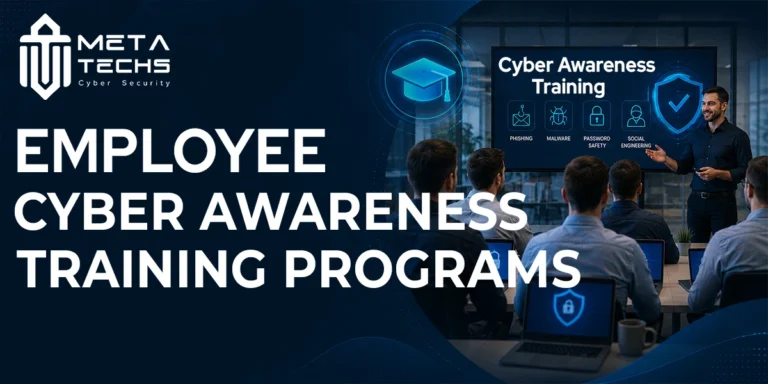
Employees are often the first line of defense. Training staff to identify phishing attempts, suspicious links, and unsafe practices significantly reduces risk. Even simple cyber security awareness sessions can have a major impact on security posture.
The most effective cybersecurity solutions for small business combine technology, policies, and employee education rather than relying on a single tool.
Common Security Solutions and Their Benefits
| Security solution | Primary benefit | Learn more |
| Endpoint Protection | Protects devices from malware and ransomware | View → |
| Email Security | Blocks phishing and malicious emails | View → |
| Firewall Security | Prevents unauthorized network access | View → |
| Cloud Security | Secures cloud applications and data | View → |
| MFA | Strengthens account protection | View → |
| Backups | Enables fast recovery after incidents | View → |
| Employee Training | Reduces human error and phishing risks | View → |
Building a Cybersecurity Strategy for Your Business
Cybersecurity is not a one-time project. It is an ongoing process.
Small businesses often focus on buying security tools but overlook strategy. Without a clear plan, even the best technologies may fail to provide adequate protection.
A practical cybersecurity strategy does not need to be complicated. It simply needs to be consistent.
1. Identify Critical Assets
Start by identifying what needs protection.
This may include:
- Customer data
- Financial records
- Email systems
- Business applications
- Cloud environments
- Employee devices
You cannot secure what you do not know exists.
2. Assess Cyber Risks
Evaluate potential threats and vulnerabilities that could affect your business. Ask questions such as: What happens if our systems go offline? Which data is most sensitive? How would a ransomware attack affect operations? Risk assessments help businesses prioritize security investments more effectively. Explore vulnerability assessment vendors →
3. Implement Security Controls
Once risks are identified, implement appropriate controls. This may include firewalls, endpoint protection, encryption, access management, and regular patching. The right cybersecurity solutions for small business should align with operational requirements rather than creating unnecessary complexity.
4. Train Employees Regularly
Cybersecurity awareness should not be a one-time event. Threats evolve constantly. Regular training helps employees stay informed and recognize emerging risks before they become incidents. A well-trained workforce often becomes one of the strongest security layers in an organization. See our guide on cyber security awareness →
5. Monitor Continuously
Cyber threats do not operate on business hours. Continuous monitoring allows organizations to detect unusual activity, investigate incidents quickly, and reduce potential damage. Many SMEs now rely on managed security services or SOC as a Service solutions for round-the-clock visibility.
6. Prepare an Incident Response Plan
No organization is completely immune to cyberattacks. An incident response plan defines who does what during a security event. It helps businesses respond faster, minimize disruptions, and recover more efficiently. Frameworks such as ISO 27001 and the NIST Cybersecurity Framework provide useful guidance for building structured security programs.
Cybersecurity is ultimately about resilience. Businesses that prepare for threats before they occur are often better positioned to grow with confidence in an increasingly digital economy.
Related reading
→ Security Operations Center (SOC) UAE
How Meta Techs Protects Small Businesses in Dubai
For many SMEs, building an in-house cybersecurity team is not always practical. Hiring specialists, purchasing security tools, and monitoring threats around the clock can be expensive and resource-intensive.
This is why many businesses choose to work with managed cybersecurity providers that offer enterprise-grade protection without the overhead of maintaining a full security team. Meta Techs is recognized among the top IT security companies in Dubai.
Meta Techs helps organizations across Dubai and the UAE strengthen their security posture through scalable and cost-effective cybersecurity services tailored to business needs.
Depending on their risk profile and operational requirements, businesses may benefit from services such as:
- Endpoint protection for laptops, desktops, and mobile devices
- Email security to prevent phishing and malware attacks
- Cloud security for platforms like Microsoft 365 and Azure
- Vulnerability assessments to identify security weaknesses
- Penetration testing to simulate real-world attacks
- Security monitoring and incident response
- Compliance support aligned with industry best practices
Cybersecurity is not only about stopping attacks. It is also about maintaining business continuity, protecting customer trust, and ensuring long-term resilience. Discover why Meta Techs is the best cyber security provider for businesses in the UAE.
By implementing proactive cybersecurity solutions for small business, organizations can reduce risks while focusing on growth and innovation.
Not sure where your security posture stands? A cybersecurity assessment can help identify vulnerabilities before attackers do.
Ready to Strengthen Your Business Security? Whether you are a startup or an established SME, proactive cybersecurity measures can help protect your data, maintain compliance, and support business continuity. Speak with Meta Techs →
FAQs
What cybersecurity solutions do small businesses need?
Most small businesses need a combination of endpoint protection, email security, firewall security, cloud security, data backups, and employee awareness training. The right solution depends on the size of the business, industry requirements, and risk exposure.
Why are small businesses targeted by cybercriminals?
Cybercriminals often target SMEs because they may have fewer security controls and limited IT resources. Attackers view small businesses as easier targets for phishing, ransomware, and data theft. Read more on top cybersecurity threats
How much does cybersecurity cost for SMEs in Dubai?
The cost varies depending on the size of the business and the level of protection required. Many providers now offer scalable and subscription-based cybersecurity services that make advanced protection more affordable for SMEs. See best cyber security for small business
What is Multi-Factor Authentication (MFA)?
Multi-Factor Authentication adds an extra layer of security by requiring users to verify their identity through multiple methods, such as passwords and mobile verification codes. Learn about cybersecurity protection best practices
How often should businesses perform security assessments?
Businesses should conduct security assessments regularly, typically at least once a year. Additional assessments may be needed after major system changes or security incidents. Explore vulnerability assessment vendors in Dubai
Can cloud-based businesses still face cyber threats?
Yes. Cloud environments also require proper cloud security controls such as encryption, access management, monitoring, and backups to reduce risks and protect sensitive data. See also AWS cloud security and Azure security
Conclusion
Cyber threats continue to evolve, and small businesses are no longer outside the scope of cybercriminals. From phishing attacks and ransomware to insider threats and data breaches, the risks are real and growing. Read about recent threats in cyber security
The good news is that effective cybersecurity does not always require a large budget or an in-house security team. With the right strategy, technologies, and employee awareness, businesses can significantly reduce their exposure to cyber risks.
Investing in cybersecurity solutions for small business is ultimately an investment in resilience, customer trust, and long-term growth.
As Dubai continues its digital transformation journey, businesses that prioritize cybersecurity today will be better prepared for tomorrow’s challenges. Explore our full range of cybersecurity solutions
Ready to Strengthen Your Business Security? Whether you are a startup or an established SME, proactive cybersecurity measures can help protect your data, maintain compliance, and support business continuity. Speak with Meta Techs →
Related posts:
 Data Security for Small Business in Dubai (Complete Guide)
 Boost Your Business with Top cybersecurity consulting in dubai
 Why Every Business Should Prioritize Cybersecurity Investment in 2026
 Protect Your Business: VAPT and Penetration Testing Solutions from Meta Techs
 Why UAE Businesses Choose Meta techs for Cybersecurity Solutions?
 How to Prevent Cyber Attacks on Your Business