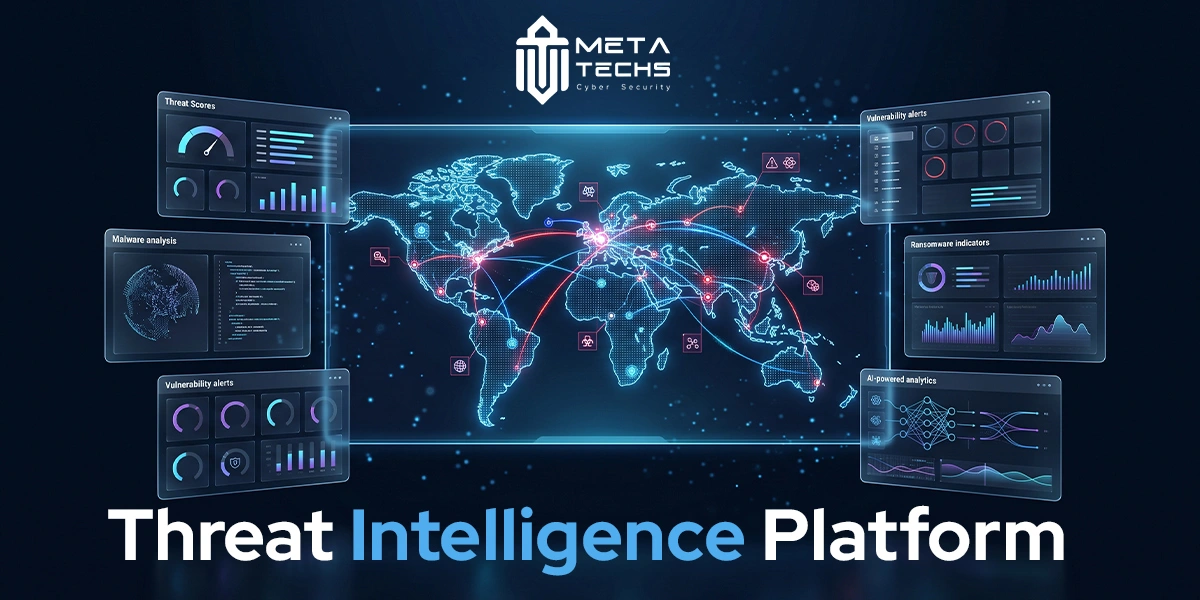
A Threat Intelligence Platform (TIP) is a centralized cybersecurity solution that collects, analyzes, and enriches threat data from multiple internal and external sources. It helps organizations identify emerging threats faster, prioritize risks, and improve incident response by providing actionable threat intelligence that integrates with existing security tools.
Cyber threats are becoming more sophisticated every year. Attackers constantly change their tactics, exploit newly discovered vulnerabilities, and launch targeted attacks against businesses of all sizes. For many organizations, relying on individual security tools alone is no longer enough to stay ahead of these evolving threats. See our full overview of the top cybersecurity threats affecting businesses today.
This is where a Threat Intelligence Platform (TIP) becomes an essential part of a modern cybersecurity strategy.
What Is a Threat Intelligence Platform (TIP)?
A Threat Intelligence Platform is a centralized solution that gathers cyber threat data from multiple sources, transforms it into meaningful intelligence, and helps security teams make informed decisions. Rather than overwhelming analysts with thousands of raw alerts, a TIP organizes, correlates, and enriches threat information so they can focus on threats that truly matter.
A modern cyber threat intelligence platform collects information from sources such as security tools, open-source intelligence (OSINT), commercial threat feeds, dark web monitoring, vulnerability databases, and internal security logs. It then analyzes this data to identify patterns, detect malicious activity, and provide context around potential attacks. This connects closely with operational threat intelligence practices that help security teams act on threat data in real time.
It is important to understand that threat data and threat intelligence are not the same. Threat data consists of raw indicators, such as suspicious IP addresses, malicious domains, file hashes, or unusual login attempts. Threat intelligence adds valuable context by explaining who is behind the activity, how the attack works, which systems may be affected, and how security teams should respond.
By converting scattered data into actionable insights, a Threat Intelligence Platform helps organizations strengthen their security posture and respond to cyber incidents more efficiently.
Why Businesses Need a Threat Intelligence Platform
Today’s businesses operate across cloud environments, remote workforces, SaaS applications, and connected devices, creating a much larger attack surface than ever before. At the same time, ransomware groups, phishing campaigns, supply chain attacks, and identity-based threats continue to increase in both volume and complexity.
Without a centralized threat intelligence solution, security teams often spend valuable time manually reviewing alerts from multiple tools. This can lead to alert fatigue, delayed investigations, and missed indicators of compromise.
A Threat Intelligence Platform helps solve these challenges by automatically collecting, correlating, and prioritizing threat information from different sources. Instead of reacting after an incident occurs, organizations gain the visibility needed to identify emerging threats early, assess their potential impact, and take proactive action before significant damage occurs. For a view of what those threats look like right now, see our guide on recent threats in cyber security.
This proactive approach not only improves security operations but also supports faster incident response, better resource allocation, and more informed cybersecurity decisions.
Looking to move from reactive alerts to proactive threat intelligence? Explore our operational threat intelligence services →
How Does a Threat Intelligence Platform Work?
A Threat Intelligence Platform follows a continuous process to transform raw threat data into actionable intelligence.
It begins by collecting information from internal security tools, external threat feeds, vulnerability databases, and open-source intelligence. The platform then normalizes and removes duplicate data before correlating related indicators to identify suspicious patterns.
Next, the TIP enriches each indicator with additional context, such as known attacker tactics, associated malware families, confidence scores, or links to the MITRE ATT&CK framework. This allows security analysts to understand not only what is happening, but also why it matters.
Finally, the platform prioritizes high-risk threats and shares actionable intelligence with security tools like SIEM, SOAR, and Endpoint Detection and Response (EDR) solutions, enabling faster investigation and automated response where appropriate.
Related reading
→ Operational Threat Intelligence
→ Best EDR Software for Businesses
→ Recent Threats in Cyber Security
Types of Threat Intelligence
Not all threat intelligence serves the same purpose. Different types of intelligence help security teams make decisions at different levels, from executive planning to responding to active cyberattacks. A well-designed Threat Intelligence Platform brings these intelligence types together, giving organizations a complete view of their threat landscape.
Strategic threat intelligence provides a high-level understanding of cyber risks, industry trends, and emerging threats. It is primarily used by business leaders, CISOs, and decision-makers to shape long-term cybersecurity strategies, allocate budgets, and prepare for evolving risks.
Operational threat intelligence focuses on active cyber campaigns and specific threat actors. It helps security teams understand who is targeting their organization, their motivations, and the methods they are likely to use. This intelligence supports incident response planning and proactive threat hunting.
Tactical threat intelligence examines the tactics, techniques, and procedures (TTPs) attackers use during an attack. By understanding these patterns, security teams can strengthen defenses, update security controls, and improve detection capabilities.
Technical threat intelligence deals with detailed technical indicators such as malicious IP addresses, domains, URLs, file hashes, and Indicators of Compromise (IOCs). These indicators are often integrated into security tools such as firewalls and SIEM platforms to detect and block malicious activity in real time.
When combined within a Threat Intelligence Platform, these intelligence types provide both strategic insights and actionable information that help organizations make faster, more informed security decisions.
Key Features to Look for in a Threat Intelligence Platform
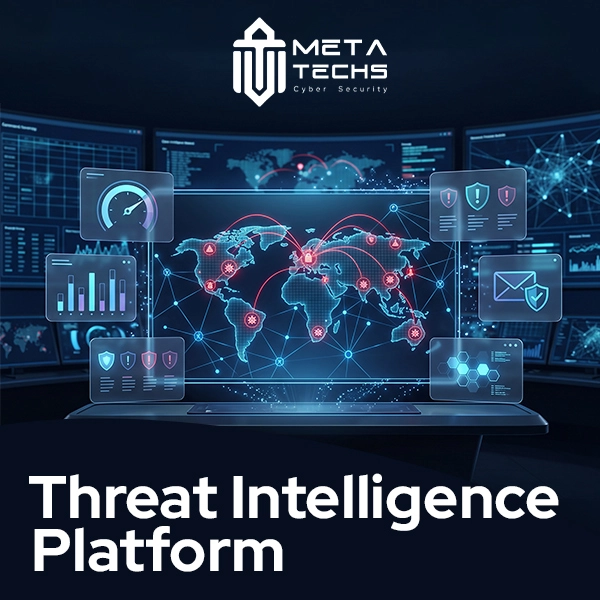
Not every Threat Intelligence Platform offers the same capabilities. Choosing the right solution requires looking beyond basic threat feeds and evaluating how effectively it supports your overall security operations.
One of the most important features is threat feed aggregation. A reliable platform collects intelligence from multiple trusted sources, including commercial providers, open-source intelligence (OSINT), industry sharing communities, and internal security tools. Bringing this information into one centralized platform reduces manual effort and provides better visibility across the threat landscape.
Another essential capability is threat enrichment. Instead of displaying raw indicators, the platform adds valuable context by identifying associated threat actors, malware families, known vulnerabilities, and attack techniques. This additional information helps analysts understand the significance of an alert and prioritize their investigations.
Automation is equally important. Modern platforms automatically correlate related indicators, remove duplicate data, assign risk scores, and distribute actionable intelligence to security tools. This reduces alert fatigue and allows analysts to focus on high-priority threats rather than repetitive tasks. This is exactly the kind of automation that makes SOC as a Service models so effective.
Integration with existing technologies is another key consideration. A Threat Intelligence Platform should work seamlessly with SIEM, SOAR, Endpoint Detection and Response (EDR), firewalls, and other security solutions to create a connected and efficient security ecosystem.
Organizations should also look for customizable dashboards, reporting capabilities, and AI-powered analytics that simplify investigations and provide meaningful insights for both technical teams and business leaders.
Threat Intelligence Data Sources
The effectiveness of a Threat Intelligence Platform depends on the quality and diversity of the information it collects. The broader the range of trusted data sources, the more accurate and actionable the intelligence becomes.
Internal data sources include firewall logs, SIEM events, endpoint detection tools, identity and access management systems, email security solutions, cloud workloads, and previous incident reports. These sources provide valuable visibility into an organization’s own environment and help identify suspicious activity.
External intelligence sources expand that visibility by adding context from outside the organization. Common examples include open-source intelligence (OSINT), commercial threat feeds, vulnerability databases such as CVE, government advisories, Information Sharing and Analysis Centers (ISACs), dark web monitoring, malware repositories, and frameworks like MITRE ATT&CK.
By continuously collecting, validating, and correlating information from both internal and external sources, a Threat Intelligence Platform enables security teams to identify emerging threats earlier, understand attacker behavior more effectively, and strengthen their overall cyber resilience.
Benefits of a Threat Intelligence Platform for Security Teams
Implementing a Threat Intelligence Platform offers more than just improved visibility into cyber threats. It helps organizations strengthen their overall security posture by enabling faster, smarter, and more proactive decision-making.
One of the biggest advantages is faster threat detection. By continuously collecting and analyzing threat intelligence from multiple sources, the platform can identify suspicious activity before it develops into a major security incident. This allows security teams to respond quickly and minimize potential damage.
Another important benefit is reduced alert fatigue. Security teams often receive thousands of alerts every day, many of which are false positives or duplicate notifications. A Threat Intelligence Platform correlates and prioritizes threat data based on risk, allowing analysts to focus on incidents that require immediate attention instead of manually reviewing every alert.
The platform also improves incident response by enriching alerts with valuable context. Rather than investigating isolated indicators, analysts receive information about associated threat actors, attack techniques, affected assets, and recommended actions. This additional context helps teams investigate incidents more efficiently and reduce the time required to contain threats.
Organizations also gain better visibility across their security environment. When a Threat Intelligence Platform integrates with solutions such as SIEM, SOAR, EDR, cloud security platforms, and identity management systems, it provides a unified view of threats across on-premises, cloud, and hybrid environments.
In addition, centralized threat intelligence supports regulatory compliance, strengthens risk management, and enables security teams to make informed decisions based on reliable, up-to-date intelligence rather than assumptions. A Security Operations Center paired with a TIP is one of the most effective combinations for achieving this level of visibility.
Want to see how threat intelligence integrates with your existing security tools? Speak with our cybersecurity experts
Related reading
→ Security Operations Center (SOC) Services
→ Incident Response Services for Businesses
→ Vulnerability Scanning and Patch Management
Best Practices for Implementing a Threat Intelligence Platform
Deploying a Threat Intelligence Platform is not simply about installing new software. To gain the greatest value, organizations need a clear implementation strategy that aligns with their security objectives.
Start by identifying your organization’s biggest cybersecurity challenges and defining what you want the platform to achieve. Whether the goal is improving threat detection, reducing investigation time, or enhancing threat hunting, clear objectives help guide the implementation process.
Next, integrate the platform with existing security technologies. Connecting it with SIEM, SOAR, EDR, firewalls, vulnerability management tools, and cloud security solutions enables intelligence to flow across the entire security ecosystem. This integration improves visibility and allows automated workflows to reduce manual effort.
It is equally important to ensure the platform receives high-quality intelligence feeds. Continuously updating trusted internal and external data sources improves the accuracy of threat detection while reducing unnecessary alerts.
Training is another critical factor. Security analysts should understand how to interpret threat intelligence, validate indicators, and use contextual information during investigations. Regular reviews of detection rules, response workflows, and intelligence sources help keep the platform effective as the threat landscape evolves. Our cyber security consulting team can support this process.
Finally, monitor key performance metrics such as Mean Time to Detect (MTTD), Mean Time to Respond (MTTR), and false positive rates. Measuring these indicators helps organizations evaluate the effectiveness of their Threat Intelligence Platform and identify opportunities for continuous improvement.
FAQS:
What is the difference between threat intelligence and threat hunting?
Threat intelligence provides information about potential cyber threats, attacker behavior, and Indicators of Compromise (IOCs). Threat hunting is the proactive process of using that intelligence to search for hidden threats that may already exist within an organization’s environment.
What data sources feed a Threat Intelligence Platform?
A Threat Intelligence Platform collects information from internal security tools, commercial threat feeds, open-source intelligence (OSINT), vulnerability databases, government advisories, dark web monitoring, and industry intelligence-sharing communities.
Does every organization need a Threat Intelligence Platform?
While smaller organizations may rely on basic security tools, businesses managing sensitive data, cloud environments, or complex IT infrastructure can significantly improve their security operations by using a Threat Intelligence Platform to centralize and prioritize threat intelligence.
How does a Threat Intelligence Platform reduce cyber risk?
By collecting, correlating, and enriching threat data from multiple sources, a Threat Intelligence Platform helps organizations detect threats earlier, prioritize high-risk incidents, reduce false positives, and improve the speed and effectiveness of incident response.
Conclusion
Cyber threats continue to evolve, making it increasingly difficult for organizations to rely solely on traditional security tools. A Threat Intelligence Platform helps security teams move from reactive defense to proactive protection by transforming large volumes of threat data into actionable intelligence. When combined with the right security strategy and expert guidance, it enables faster threat detection, more effective incident response, and stronger long-term cyber resilience.
If your organization is looking to strengthen its security operations, Meta Techs’ threat intelligence services can help you implement a scalable, intelligence-driven approach that improves visibility, accelerates response, and supports informed cybersecurity decision-making.
Turn Threat Intelligence into Action
Modern cyber threats require more than isolated security tools. Meta Techs helps organizations implement intelligence-driven cybersecurity solutions that improve threat visibility, accelerate incident response, and strengthen overall cyber resilience.
Contact our cybersecurity experts today to learn how our threat intelligence services can help protect your business.
Related posts:
 New Era of Operational Threat Intelligence
 What Is a DDoS Attack? How It Works and How to Protect Your Business
 The Key Benefits f AI In Cybersecurity
 Key Features to Evaluate in the Best WAF Solutions Gartner Identifies
 Strengthen Your Security Strategy with the Rapid7 Insight Platform
 Cloud Native Application Protection Platform: The Future of Cloud Security